
Choosing the Right Marine Fuel Supply for Your Boat
When it comes to boating, selecting the right marine fuel supply is crucial for both safety and performance. As a boat owner, understanding the different types of marine fuel, the suppliers available, and the logistics involved in fuel supply can save you time and ensure a smoother sailing experience. This guide serves as a comprehensive resource to navigate the complexities of marine fuel supply, making your selection process simpler and more informed.
Understanding Different Types of Marine Fuel
1.1 Gasoline vs. Diesel
Marine fuels primarily fall into two categories: gasoline and diesel. While gasoline is commonly used for smaller boats and personal watercraft due to its high octane and quick starting capabilities, diesel fuel is often preferred in larger vessels due to its efficiency and fuel economy.
Gasoline burns cleaner than diesel, producing fewer tailpipe emissions, making it more environmentally friendly. However, it is also more volatile, requiring careful handling. Conversely, diesel fuel is more energy-dense, allowing for longer ranges and fewer refueling stops, which can be advantageous on longer voyages.
Ultimately, the choice between gasoline and diesel will depend on the specific needs of your boat, such as power requirements, usage patterns, and personal preference. Understanding these differences is the first step in selecting the right marine fuel supply.
1.2 Alternative Marine Fuels
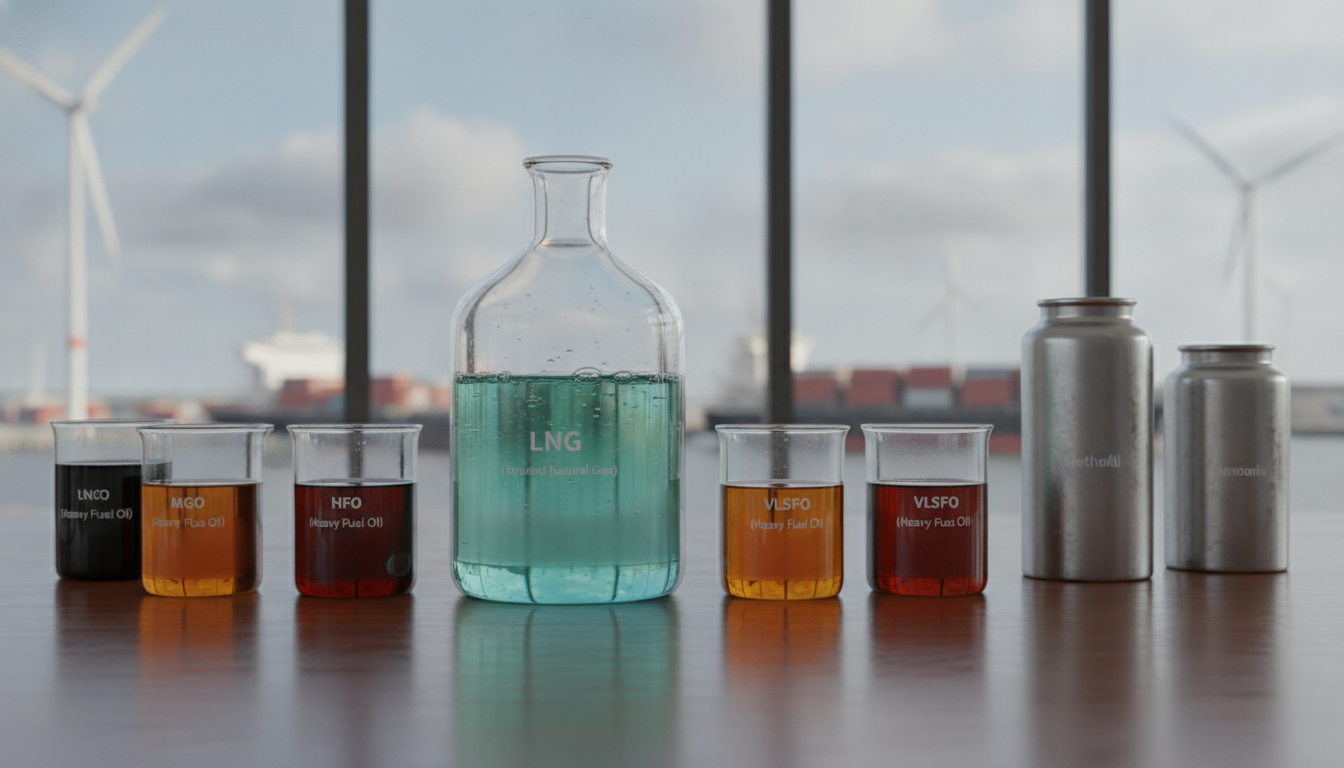
In addition to gasoline and diesel, there is a growing interest in alternative marine fuels such as liquefied natural gas (LNG) and biofuels. LNG is particularly appealing for its low emissions and high efficiency, making it an environmentally friendly choice for boaters who prioritize sustainability.
Biofuels derived from renewable resources are also gaining traction in the marine industry. These fuels can be used in existing diesel engines with little or no modification, making them a convenient option for many boat owners looking to reduce their carbon footprint.
Exploring these alternatives could be a wise move as regulations surrounding emissions become increasingly stringent. Transitioning to alternative marine fuels not only enhances your boat’s sustainability but can also offer potential cost savings and efficiency improvements.
Identifying Reliable Marine Fuel Suppliers
2.1 What to Look for in a Supplier
When choosing a marine fuel supplier, reliability and quality should be at the forefront of your decision-making process. Start by researching suppliers that have a good reputation and positive reviews from other boaters. Look for companies that are certified and comply with industry standards to ensure the fuel quality meets your needs.
It is beneficial to establish a relationship with a supplier that has experience and knowledge of the marine industry. A well-established supplier can provide guidance on the best fuel types for your vessel and even advice on other boating supplies.
Additionally, inquire about the supplier’s delivery options and logistics. A reputable supplier should be able to deliver fuel directly to your location on-demand, ensuring that you do not run out of fuel during critical moments away from the docks.
2.2 Importance of Local Suppliers
Choosing a local marine fuel supplier offers many advantages. Not only do they often provide faster delivery times, but they are also familiar with local regulations and can help navigate any specific legal requirements related to fuel storage and usage.
Supporting local businesses not only benefits your community but may also foster a better relationship with your supplier. Strong local connections can lead to better pricing, exclusive offers, and a more personalized level of service.
Furthermore, a local supplier often has firsthand knowledge of the regional waters, helping to guide you in making informed decisions about fuel sources, which is invaluable for both new and seasoned boaters.
Analyzing Fuel Availability and Logistics
3.1 Fuel Storage Considerations
When choosing a marine fuel supply, you must consider how and where you will store the fuel. Proper storage is crucial to maintain fuel quality and prevent contamination from water or algae. Check with suppliers regarding storage tank recommendations and maintenance practices.
Additionally, consider the size of your fuel tank and the frequency of use. For boats that rely heavily on their engines, having a larger storage tank may be practical, while smaller craft may benefit from frequent refueling from a local supplier. Ensure that your storage solutions comply with safety regulations to mitigate risks associated with fuel storage.
Always monitor the condition of your stored fuel to prevent any adverse effects on your engine performance. Fuel testing and regular inspections can help detect potential issues before they become significant problems.
3.2 Delivery Methods and Pricing
When evaluating different suppliers, consider their delivery methods, including whether they offer mobile fueling services or require you to transport your boat to a fuel dock. Mobile fueling can provide convenience and save time, especially during busy seasons when fuel docks may have long wait times.
Additionally, understand how pricing works. Some suppliers may offer competitive rates but have additional fees, while others may have a higher price but include delivery in their service. Be sure to request detailed quotes to compare options effectively.
Lastly, keep an eye on fluctuating fuel prices in your region. Fuel costs can vary significantly, so staying informed can help you make better purchasing decisions throughout the boating season.
Safety Practices for Fuel Supply and Handling
4.1 Proper Fuel Handling Techniques
Safety cannot be overstated when it comes to handling marine fuel supply. Always adhere to safety protocols to minimize risks associated with fuel spills or accidents. Before refueling, ensure the engine is off, and eliminate any sources of ignition nearby.
Utilize appropriate personal protective equipment (PPE) like gloves and goggles when handling fuel. Training crew members on correct refueling techniques can further reduce human error and enhance safety. Fuel spills can be hazardous, so always keep absorbent materials readily available on board.
Additionally, familiarize yourself with emergency procedures specific to fuel mishaps to ensure a quick and effective response if incidents occur. Knowing how to properly contain and clean up a fuel spill can reduce the potential environmental impact.
4.2 Environmental Regulations Compliance
Complying with environmental regulations associated with marine fuel supply is crucial. Various agencies govern the handling and storage of marine fuels to protect ecosystems. Understanding both local and national regulations can help guide your practices to remain compliant.
Regularly review and update your fuel handling procedures to align with the latest regulations. Keeping meticulous records of fuel purchases and disposal can also protect you during inspections and audits.
Eco-friendly practices relate not only to compliance but also to your brand as a boat operator. Demonstrating a commitment to environmental stewardship can enhance your reputation within the boating community.
The Role of Technology in Marine Fuel Supply
5.1 Fuel Management Systems
Implementing a fuel management system can streamline the entire fuel supply process, providing real-time data and insights into usage patterns and consumption rates. These systems are invaluable for larger vessels to monitor not only fuel supply but also engine performance and maintenance schedules.
Utilizing technology to track fuel levels can prevent running low unexpectedly, triggering alarms when levels drop to a certain point. Moreover, integrating fuel management with other onboard systems can enhance operational efficiency, leading to cost savings over time.
Investing in these systems can seem costly initially, but careful analysis typically shows a favorable return on investment through increased efficiency and operation management.
5.2 Mobile Apps for Fuel Tracking
A growing number of mobile applications specifically designed for marine fuel management allow boaters to monitor fuel consumption on the go. These apps can provide useful insights such as nearest fuel docks, current pricing, and reserve levels.
By leveraging technology, boaters can make informed decisions, reducing the guesswork associated with marine fuel supply. This also enhances your overall boating experience by providing additional layers of convenience.
Incorporating technology into fuel management reflects a broader trend towards digitization in the marine industry, where maximizing efficiency and sustainability is more imperative than ever.
Conclusion
Choosing the right marine fuel supply is a multifaceted decision that encompasses various factors from fuel types, supplier reliability, to safety practices. By understanding the landscape of marine fuels and considering the unique needs of your vessel, you can make informed choices that benefit both your boating experience and the environment.
Leverage the tools and resources available, including local suppliers, technology, and sustainable practices, to simplify this process. Taking the time to assess your options thoughtfully will enhance your enjoyment on the water and ensure your vessel operates optimally.
Frequently Asked Questions
What types of marine fuel are available?
The primary types of marine fuel available are gasoline, diesel, liquefied natural gas (LNG), and biofuels. Each has its benefits depending on the type of vessel and its intended use.
How do I choose a reliable marine fuel supplier?
Look for suppliers with good reviews, industry certifications, and local expertise. Establish relationships to ensure best practices in fuel delivery and quality.
What safety practices should I follow while refueling my boat?
Ensure proper fuel handling techniques, use personal protective equipment, and familiarize yourself with emergency protocols for spills or accidents.
Is there technology to help manage marine fuel supply?
Yes, fuel management systems and mobile apps can help track fuel consumption, monitor supply levels, and streamline the refueling process.