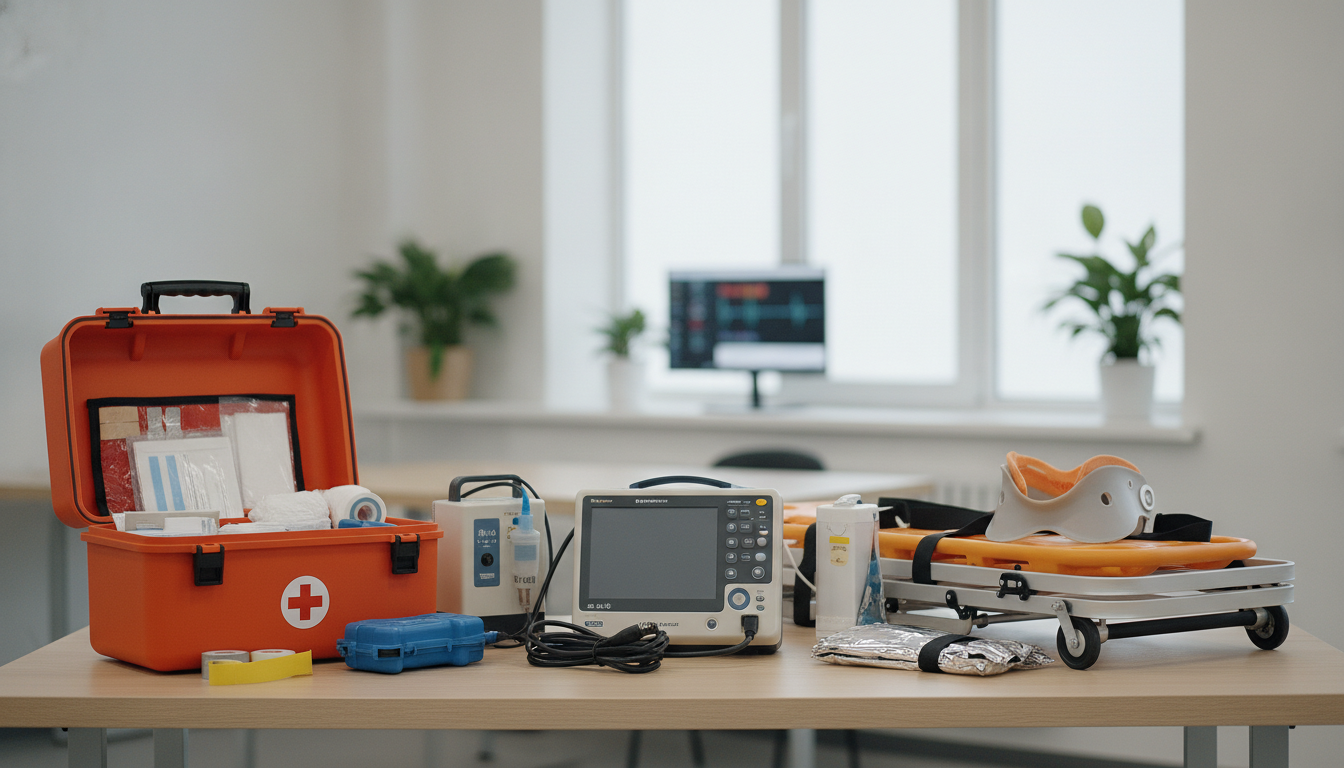
Exploring Life-Saving Equipment: A Comprehensive Guide
Safety is paramount in any environment, particularly in marine contexts where the unpredictability of nature can pose significant risks. Life-saving equipment plays a crucial role in protecting lives during emergencies at sea. In this comprehensive guide, we will explore the different types of life-saving equipment, their applications, and how to maintain them for optimal performance. Understanding these tools is essential for those navigating the challenging marine environment, whether you’re a sailor, a maritime worker, or an enthusiast.
Table of Contents
- Importance of Life-Saving Equipment
- Types of Life-Saving Equipment
- Marine Safety Regulations
- Maintenance of Life-Saving Equipment
- Training and Education
- Future of Life-Saving Equipment
Importance of Life-Saving Equipment
Understanding the Risks
The marine environment is inherently risky. Strong currents, sudden weather changes, and equipment failures can lead to life-threatening situations. Life-saving equipment mitigates these risks by providing vital support when disasters strike. For instance, the sinking of the MV Sewol in South Korea highlighted the dire need for adequate life-saving measures as many lives were lost due to lack of timely rescue efforts and proper equipment.
Moreover, having the right life-saving equipment onboard enhances the crew’s confidence, allowing them to operate under challenging conditions. This knowledge is essential for making informed decisions quickly while at sea. Understanding these risks helps in preparing adequately.
In addition to personal safety, life-saving equipment also protects the environment. For example, when marine emergencies occur, having the right devices can prevent environmental disasters from oil spills or other hazardous materials.
Impact on Marine Operations
The presence of adequate life-saving equipment can significantly impact marine operations. Companies that prioritize safety through comprehensive life-saving solutions tend to have better reputations and lower insurance costs. For instance, reputable shipping companies investing in quality life rafts and emergency supplies not only ensure crew safety but also satisfy regulatory requirements.
Furthermore, the integration of life-saving equipment into regular drills and operational practices ensures that crew members are capable of using these tools effectively in crisis situations. Studies show that thorough training using life jackets, for example, can increase survival rates during emergencies.
Ultimately, a commitment to life-saving equipment translates into better operational efficiency, contributing to smoother maritime business operations while safeguarding human life.
Types of Life-Saving Equipment
Personal Life-Saving Devices
Personal life-saving devices (PLSDs) are critical in ensuring individual safety onboard. This category includes life jackets, personal flotation devices (PFDs), and buoyancy aids. A well-known example is the Solas-approved life jacket, which complies with international regulations, ensuring user safety across various maritime activities.
Life jackets are designed to provide buoyancy and to keep the wearer’s head above water, minimizing drowning risks. Their effectiveness, however, can depend on the proper fit and maintenance. Continuous checks to ensure the integrity of these devices, as well as participants being trained in their use, can save lives.
Marine operators often emphasize the importance of personal life-saving devices during safety briefings. For example, companies operating fishing vessels incorporate regular life jacket checks before embarking on trips, promoting a culture of safety among the crew.
Emergency Beacons and Signaling Devices
Emergency beacons and signaling devices are also integral to life-saving strategies at sea. These tools include emergency position-indicating radio beacons (EPIRBs) and distress flares, which can signal for help when situations turn dire. For instance, EPIRBs transmit distress signals, enabling search and rescue teams to locate vessels in distress rapidly.
Flares, on the other hand, provide visual aid in emergencies, acting as a beacon for rescue ships or aircraft. However, proper storage and handling of these devices are crucial, as they are time-sensitive and can be affected by environmental conditions.
Incorporating both EPIRBs and flares into a vessel’s safety equipment enhances the chances of successful rescue, demonstrating a proactive approach to safety. Operators should regularly test these devices to ensure functionality since expiration can render them ineffective.
Marine Safety Regulations
International and National Standards
Marine safety regulations are designed to govern life-saving equipment across international waters. Organizations such as the International Maritime Organization (IMO) establish stringent guidelines to ensure that adequate life-saving measures are in place. These regulations stipulate requirements for the number of life-saving devices onboard, based on vessel size and passenger capacity.
National governments also implement their maritime laws, often inspired by international suggestions. For example, the United States Coast Guard (USCG) has defined standards for life-saving appliances, mandating inspections, maintenance, and proper storage protocols, which help ensure equipment readiness at all times.
Compliance with these regulations is not only essential for safety but also for avoiding penalties. Engaging in regular audits and maintaining documentation is crucial for operating within legal parameters.
Inspection and Compliance
Regular inspections of life-saving equipment are vital to ensuring compliance with marine safety regulations. This includes checks on life rafts, EPIRBs, and all personal flotation devices. Failure to conduct these inspections can lead to equipment malfunction during critical moments, which can have dire consequences.
Real-world examples often illustrate the fallout from non-compliance. For instance, a fishing company faced severe fines due to inadequate safety checks on life jackets, which were later found to be expired during a routine inspection.
To maintain compliance, it’s essential for maritime operators to keep up with evolving regulations. Engaging third-party services for audits can provide additional assurance that all equipment meets current safety standards.
Maintenance of Life-Saving Equipment
Regular Inspections and Checks
To ensure the reliability of life-saving equipment, regular inspections and checks are non-negotiable. This includes visual inspections for wear and tear, functionality testing, and adherence to expiration dates where applicable. For example, life rafts need to be unpacked and inflated periodically to ensure no leaks or damages occur that could prevent them from functioning when needed.
Establishing a routine maintenance schedule allows for proactive management of safety equipment. Many successful maritime operations utilize software solutions to notify crew members of required maintenance tasks and inspections, thus streamlining the process.
Keeping detailed logs of inspections can also play a crucial role. This documentation serves as proof of compliance and readiness in the event of audits or inspections, offering peace of mind that safety standards are being upheld.
Storage and Handling Guidelines
Proper storage and handling of life-saving equipment are essential to its longevity and effectiveness. For instance, life jackets should be stored in cool, dry places, away from direct sunlight which can degrade materials. Equally crucial is ensuring they are accessible at all times, especially during emergencies.
Moreover, training personnel on the proper handling of life-saving equipment fosters a culture of safety within the organization. Everyone onboard should know how to access and use these tools to ensure swift action during emergencies. Regular drills can reinforce this knowledge and instill confidence among crew members.
For example, a yacht charter company integrated regular rescue drills into their training program, allowing crew members to rehearse responses to various emergencies, thereby increasing familiarity with life-saving devices stored on the vessel.
Training and Education
Importance of Training
Training is an integral part of marine safety that often gets overlooked. Good training programs equip crew members with the knowledge on how to operate life-saving equipment effectively. Knowledge of how and when to deploy such tools can mean the difference between life and death during emergencies.
For example, during a man-overboard drill, crew members are required to practice deploying life-saving floats and maneuvering boats to simulate rescue scenarios. This hands-on experience strengthens their preparedness for actual emergencies.
Moreover, incorporating scenario-based training helps participants learn how to assess situations critically, making informed decisions that could save lives. Regular workshops to refresh these skills ensure that all crew members remain competent in deploying life-saving equipment under stress.
Continuing Education and Updates
Continuing education is essential for keeping crew members informed about the latest updates surrounding life-saving equipment, including new regulations, technologies, and best practices. As maritime technology evolves, so do requirements for equipment and training.
Organizations should provide access to updated training materials and offer courses that include emerging life-saving technologies. For example, the introduction of advanced EPIRBs with GPS tracking requires crew members to receive updated training on their operation and benefits.
Establishing partnerships with training providers can support delivering these educational opportunities, ensuring that personnel maintain up-to-date skills to improve safety outcomes consistently.
Future of Life-Saving Equipment
Technological Advancements
The future of life-saving equipment lies in technological advancements that improve reliability and functionality. Innovations such as automatic inflation systems in life jackets and integrated GPS in EPIRBs are just a few examples enhancing safety standards at sea.
For instance, developments in artificial intelligence could enable more efficient tracking of vessels during emergencies. Automated systems that assess risk levels and suggest appropriate life-saving measures could revolutionize how maritime safety is approached.
Moreover, the growing trend in wearable technology, which can monitor physiological responses of crew members, offers additional insights into when life-saving measures may be necessary. For example, wearables can signal when someone is in distress, prompting immediate intervention by the crew.
Environmental Considerations
As industries increasingly focus on sustainability, the future of life-saving equipment will likely evolve to consider environmental impacts. Biodegradable materials are already being explored for use in developing life jackets and flotation devices, reducing ocean pollution while maintains safety.
Additionally, materials developed with ecological footprints in mind could provide safety without compromising environmental integrity. Equipped with sustainable technology, life-saving equipment can effectively preserve marine environments critical to our planet’s health.
As we progress, the marriage of technology and environmental consciousness will shape effective practices for maintaining marine safety and reducing the ecological impact. These advancements not only save lives but can also protect the very ecosystems we rely on.
Frequently Asked Questions
What is considered life-saving equipment?
Life-saving equipment encompasses all tools and devices designed to prevent drowning and facilitate rescue during maritime emergencies. This includes life jackets, lifeboats, EPIRBs, and rescue buoys, among others.
How often should life-saving equipment be inspected?
Life-saving equipment should be inspected regularly, at least once annually, or according to provided guidelines. Equipment often has expiration dates, which requires consistent checks to ensure compliance and functionality during emergencies.
What are the legal requirements for life-saving equipment in marine operations?
Legal requirements vary by region and type of marine operation but generally include provisions set forth by organizations like the International Maritime Organization (IMO) and national coast guards. Operators must be aware of these requirements to avoid penalties and ensure safety.
How can crew members ensure they are trained in using life-saving equipment?
Crew members should participate in regular training sessions and drills organized by their operators. Familiarity with life-saving equipment and participation in realistic emergency scenarios enable crew members to respond confidently when needed.
What advancements are being made in life-saving equipment technology?
Technological advancements in life-saving equipment include automatic inflation mechanisms, GPS-enabled EPIRBs, and even wearable devices that monitor health indicators to signal when a crew member is in distress, enhancing overall safety.
How can I best maintain my life-saving equipment?
Maintenance involves regular visual inspections, functionality tests, proper storage practices, and keeping records of inspections. Addressing any issues immediately and following manufacturer guidelines ensures that your equipment is always ready for emergencies.
Conclusion
Life-saving equipment is a fundamental aspect of marine safety that cannot be overlooked. By understanding its importance, familiarizing ourselves with various types, ensuring compliance with regulations, maintaining our devices, and investing in ongoing education, we can enhance safety at sea. The future looks promising with technological innovations poised to redefine how we approach marine safety, combining efficiency with environmental responsibility. Embracing these changes ensures that our maritime adventures are both thrilling and safe.