
Building a Routine for Effective Vessel Upkeep
Maintaining a marine vessel is not just about taking it for a spin occasionally; it requires a well-structured routine that covers various aspects of upkeep. Effective vessel upkeep ensures not only the longevity of your craft but also the safety of everyone aboard. In this article, we will explore the essentials of an effective maintenance routine, the importance of consistent inspections, and how to integrate vessel upkeep services into your regular schedule.
Why Vessel Upkeep is Crucial
The Risks of Neglect
Neglecting regular maintenance can lead to catastrophic failures and costly repairs. Many boat owners underestimate the implications of ignoring small repairs. For instance, a minor leak can escalate into significant damage over time, requiring extensive interventions and financial outlays. Furthermore, operational issues resulting from poor upkeep can compromise safety, putting the lives of those aboard at risk.
Take the example of a vessel that suffered a mechanical failure at sea due to neglected engine maintenance. This situation not only endangered the crew but also resulted in a costly rescue operation. Hence, regular vessel upkeep is vital for operational safety and cost efficiency.
In addition to physical risks, neglecting vessel upkeep can lead to legal implications as well. Many maritime regulations require vessels to meet specific maintenance standards. Failing to adhere can result in fines or even restrictions on vessel operation.
Benefits of Regular Upkeep
Establishing a routine for vessel upkeep significantly enhances the lifespan of your marine craft. Regular inspections help identify wear and tear before they escalate into more serious failures. For instance, routine checks on boat engines can mean the difference between catching a minor issue early versus facing a complete engine overhaul later.
Another benefit of consistent maintenance is improved performance. A well-maintained vessel operates more efficiently, ensuring better fuel economy and smoother navigation. This not only saves money in the long run but also enhances the overall experience on the water.
Moreover, regular upkeep can increase the resale value of your vessel. A well-maintained boat is more attractive to potential buyers. Documented regular maintenance can provide proof of care, significantly boosting market appeal.
Creating a Maintenance Schedule
Daily and Weekly Tasks
Creating a maintenance schedule is essential for effective vessel upkeep. Daily tasks should include visual inspections of the hull, checking fluid levels, and testing emergency equipment. These brief checks take minimal time but can uncover potential issues before heading out on the water.
Weekly tasks might involve cleaning the deck and inspecting the safety equipment, such as life jackets and flares. A clean deck ensures that you can identify any debris or potential hazards that might affect your navigation. Additionally, thorough inspections of safety gear can ensure compliance with legal safety standards.
By breaking down these tasks into daily and weekly segments, vessel owners can manage their time efficiently, minimizing the risk of overlooking essential maintenance activities.
Monthly and Seasonal Checks
In addition to daily and weekly tasks, monthly checks on the vessel’s electrical systems, battery condition, and plumbing systems are crucial. Regular inspection of these areas ensures that all systems are operational, minimizing the chance of malfunctions at critical times.
Seasonal checks are particularly important in regions with extreme weather conditions. Preparing your vessel for winter storage or ensuring it’s ready for the boating season can protect against damage from harsh elements. For instance, draining water from lines and thoroughly cleaning the hull can prevent freezing and damage.
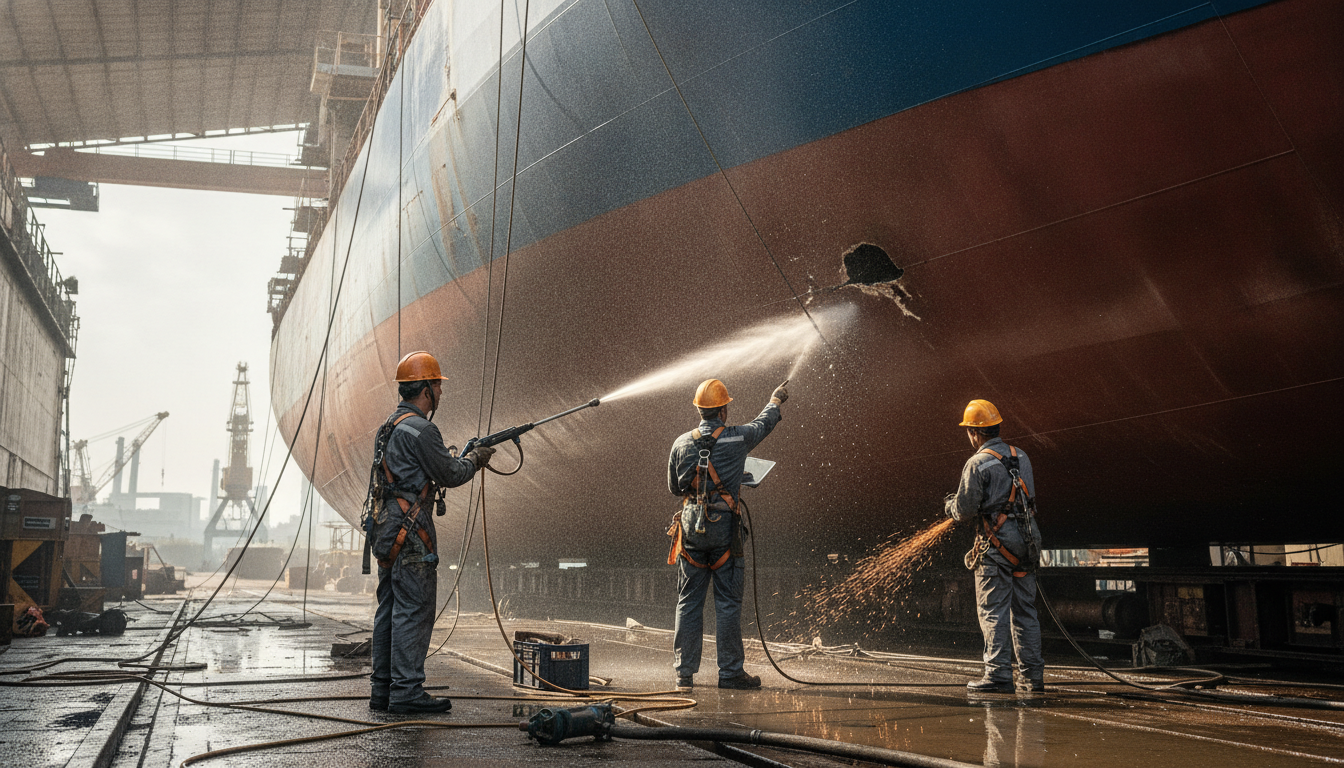
Moreover, scheduling routine haul-outs during the off-season for a thorough inspection and maintenance play a crucial role in preserving the integrity of the vessel. Haul-outs allow for inspection of underwater components, which are crucial yet often neglected.
Incorporating Professional Upkeep Services
When to Consider Professional Services
Involving professional vessel upkeep services is a wise decision when tasks exceed your skill level or time constraints. Complex repairs, such as engine overhauls or electrical system modifications, should be handled by professionals due to their specialized knowledge. For instance, tackling a major engine repair without proper expertise can lead to additional damage and costs.
Additionally, professional vessel upkeep services often provide a structured approach to maintenance, ensuring that nothing is overlooked. They can also provide you with logbooks and reminders for regular tasks, making it easier for vessel owners to stay on top of their maintenance schedules.
Using professional services doesn’t mean that you should completely neglect your routine. Rather, it allows homeowners to balance their maintenance efforts without overwhelming themselves.
Choosing a Reliable Service Provider
Selecting the right vessel upkeep service is paramount. Look for providers with a solid reputation in the marine community and a track record of quality work. Seeking recommendations from other vessel owners can be beneficial.
It’s also essential to verify that the service provider has appropriate certifications and insurance. This can not only protect you legally but also ensures that the service provider adheres to industry standards.
Moreover, consider the convenience of the service provider’s location and their responsiveness to inquiries. Reliable providers typically have excellent communication practices, ensuring you’re kept in the loop about maintenance tasks.
Integrating Technology in Vessel Upkeep
Digital Tools for Maintenance Tracking
Embracing technology can transform vessel upkeep practices. Several digital tools and applications exist that help owners track maintenance tasks electronically. These tools can send reminders for routine checks, log completed tasks, and even offer insight into when parts may need replacing.
For example, using applications that sync with onboard systems can alert you to any potential issues immediately, offering proactive solutions before problems become emergencies. Remember to explore various options to find an app that fits your specific maintenance needs.
Keeping track of maintenance logs digitally can provide vital documentation that may be useful for potential buyers down the line, showcasing the level of care and attention provided to the vessel.
Remote Monitoring Systems
Implementing remote monitoring systems is another way to leverage technology for vessel upkeep. These systems allow you to monitor various components of your vessel from anywhere, meaning you can keep an eye on critical systems even when you’re not onboard.
For instance, many modern boats come equipped with remote access to engine diagnostics, fuel levels, and battery status. This capability can alert you to any issues immediately, enabling prompt action whether at a docking area or at home.
Moreover, using such systems not only enhances safety but also allows for more structured and timely maintenance interventions, ensuring that the vessel remains in optimal condition.
Staying Compliant with Regulations
Understanding Local Regulations
Every vessel owner must understand the relevant regulations that govern marine operations in their regions. Regulations vary significantly between jurisdictions, affecting everything from maintenance standards to safety requirements.
For instance, some regions require regular inspections and certifications by a licensed inspector, ensuring that the vessel adheres to specific safety and operational standards. Familiarizing yourself with these regulations can help avoid fines and ensure your vessel remains seaworthy.
Moreover, equipment used on the vessel, such as life-saving gear and fire extinguishers, often has specific requirements that need to be understood and adhered to. Ensuring compliance keeps your operations within legal bounds while prioritizing safety.
Maintaining Records for Compliance
Keeping well-documented maintenance records is integral to compliance with regulations. Not only do these records help prove adherence to safety standards, but they can also serve as valuable tools during inspections or evaluations.
Maintaining a logbook that details all inspections, repairs, and services completed helps verify diligence and may provide insight into overarching trends concerning maintenance needs. This can guide future upkeep decisions and help prevent recurring issues.
Moreover, maintaining records assists in claims or legal situations, providing documented evidence of vessel upkeep. This record-keeping practice can protect vessel owners from legal implications resulting from accidents due to alleged neglect.
Conclusion
Building a routine for effective vessel upkeep is a commitment that pays dividends in safety, performance, and longevity of your marine craft. From establishing a structured schedule to leveraging technology and professional services, ensuring that your vessel remains in top shape involves a multifaceted approach. Staying compliant with local regulations is also a key component that reinforces best practices in vessel maintenance.
By integrating these elements into your routine, you not only protect your investment but also guarantee a safer and more enjoyable experience on the water. Whether you are an experienced mariner or a novice vessel owner, prioritizing maintenance will make every sailing adventure much more satisfying.
Frequently Asked Questions
What are the common tasks in vessel upkeep?
Common tasks in vessel upkeep include daily inspections of the hull and safety equipment, checking fluid levels, cleaning the vessel, and performing regular engine maintenance. These tasks can prevent larger issues from developing.
When should I hire a professional for maintenance?
You should consider hiring a professional for complex repairs or when you lack the necessary skills and tools. Additionally, if you do not have enough time to maintain the vessel as needed, professional services can help keep your vessel in excellent condition.