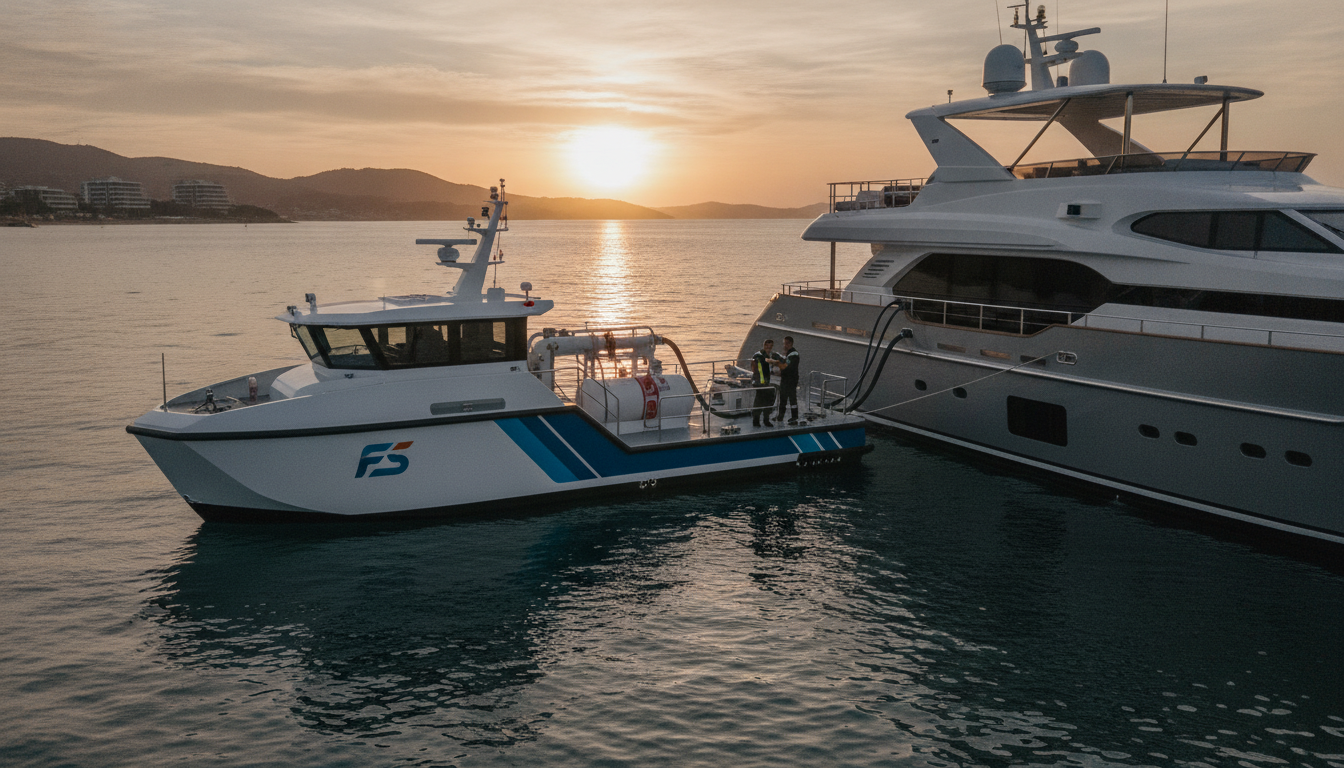
Understanding the Different Types of Marine Fuels
When navigating the vast waters, having the right fuel is vital for your boat’s performance. As a boat owner, you must understand the diverse types of marine fuels available. This knowledge can help you make informed decisions when selecting a fuel supplier for boats. In this guide, we will explore various marine fuels and their applications.
Table of Contents
- What Are Marine Fuels?
- Types of Marine Fuels
- Characteristics of Marine Fuels
- Choosing a Fuel Supplier for Boats
- Environmental Considerations
- The Future of Marine Fuels
What Are Marine Fuels?
Marine fuels play a crucial role in powering various types of watercraft. They encompass a wide range of fuel types used in different vessel applications. Understanding these fuels is essential for boat owners to ensure proper operations and maintenance.
From traditional diesel to innovative biofuels, each marine fuel type has unique properties and uses. Familiarity with these varieties allows you to take better care of your vessel’s engine and overall performance.
Definition of Marine Fuels
Marine fuels refer to any type of fuel that is specifically formulated or classified for use in marine vessels. This includes both commercial and recreational boats. Broadly, they can be categorized into different groups, each serving specific engine types.
For proper maintenance and efficiency, knowing the right kind of marine fuel for your boat is crucial. This ensures that your engine performs optimally and reduces the risk of damage, thereby prolonging its lifespan.
Importance of Understanding Marine Fuels
Understanding marine fuels helps boaters make informed decisions, especially when selecting a fuel supplier for boats. Different fuels are tailored for specific engines, which can enhance performance and fuel efficiency significantly.
Additionally, being knowledgeable about marine fuels enables boat owners to comply with regulations that govern fuel usage in different regions. This knowledge contributes to smoother sailing and better environmental practices.
Types of Marine Fuels
The marine fuel market offers various options, each with its specifications and use cases. Knowing the existing types allows you to select the most suitable fuel for your boat.
This section dives into common types of marine fuels available in the industry today. Each type has its pros and cons, influencing its use based on different applications.
Diesel Fuels
Diesel fuel is one of the most prevalent types of marine fuels used globally. It is favored for its high energy content and efficiency in powering large vessels. There are two primary categories of diesel fuel: marine gas oil (MGO) and marine diesel oil (MDO).
Marine gas oil is typically used in vessels with lower engine performance requirements, while marine diesel oil is designed for high-performance engines. Choosing the right type ensures optimal performance and reduces maintenance challenges down the line.
Gasoline Fuels
Gasoline fuels are widely used in smaller boats and recreational vessels. This fuel type is lighter and offers better efficiency than diesel in smaller engines. Boat owners should ensure they use fuel formulated specifically for marine applications to avoid potential engine issues.
Furthermore, gasoline fuels are generally easier to store and handle. However, they can be more volatile than diesel. Understanding these characteristics helps boaters select the safest and most efficient fuel options.
Characteristics of Marine Fuels
Various characteristics define marine fuels, influencing their performance and suitability for different applications. Recognizing these details is crucial for boat owners seeking the best options.
This section highlights significant characteristics to consider when selecting marine fuels, ensuring that your choice aligns with your vessel’s needs.
Viscosity and Density
Viscosity refers to the thickness of the fuel and its resistance to flow. A fuel’s viscosity affects its combustion efficiency and engine performance. As a general rule, marine diesel fuels tend to have higher viscosity than gasoline, making them suitable for large marine engines.
Density is another essential characteristic, influencing the energy content of the fuel. A denser fuel typically packs more energy, resulting in better performance. Understanding these properties helps boaters choose the most effective fuel for their engines.
Combustion Characteristics
Marine fuels also differ significantly in their combustion characteristics. Combustion efficiency can impact a vessel’s power output and emissions. Most diesel engines operate best with fuels that have optimal cetane ratings, indicating how readily the fuel ignites.
Gasoline-powered engines have different combustion needs, typically requiring fuels with specific octane ratings. Being aware of these combustion properties ensures improved engine performance and environmental compliance.
Choosing a Fuel Supplier for Boats
After understanding marine fuels, the next step is selecting the right fuel supplier for boats. A reliable supplier guarantees quality fuel and dependable service, essential for your vessel’s operational efficiency.
This section outlines what to consider while selecting a fuel supplier for your boating needs.
Reputation and Reliability
The reputation of a fuel supplier is a crucial aspect of your choice. Look for suppliers known for quality products and reliable services. Online reviews, recommendations from fellow boaters, and industry reputation play significant roles in this decision.
By assessing a supplier’s track record, you can minimize the risks associated with poor-quality fuel, ensuring smooth sailing on the open water.
Quality Assurance
Quality assurance is vital when choosing a supplier. Investigate if the supplier consistently offers high-quality marine fuel that meets industry standards. Additionally, inquire about their fuel testing and certification processes.
A reputable fuel supplier for boats should provide transparency regarding their fuel quality, helping you make informed decisions that benefit your vessel’s performance.
Environmental Considerations
Environmental impact is increasingly important in selecting marine fuels. With growing regulations and sustainability initiatives, boaters must consider eco-friendly fuel options.
Regulations and Compliance
Various organizations regulate marine fuel standards to promote environmental protection. These regulations dictate the allowable emissions and characteristics that fuels must meet. Familiarizing yourself with these requirements is vital to ensure compliance.
Choosing fuels that adhere to these regulations not only reduces the ecological impact but also prevents potential legal repercussions. Striving for compliance is essential for responsible boating practices.
Sustainable Fuel Options
There is a growing trend toward utilizing sustainable fuels, such as biofuels and hydrogen. These fuels offer greener alternatives with reduced carbon emissions. Investigating reliable suppliers of sustainable fuels can help make informed decisions for cleaner boating practices.
Adopting sustainable fuels promotes not only environmental responsibility but also aligns with a growing demand for eco-conscious boating. Consider switching to green options for a better future.
The Future of Marine Fuels
As technology advances, the marine fuel landscape continues to evolve. Understanding the future of marine fuels will prepare boaters for upcoming trends and changes in the industry.
This section explores future developments and innovations in marine fuels, assisting boat owners in staying informed.
Innovations in Fuel Technology
Technological innovations in marine fuels are underway, focusing on improving efficiency and reducing emissions. Advancements in cleaner combustion technologies and fuel formulations are paving the way for success.
These innovations lead to the development of hybrid systems, reducing dependence on traditional fuels. Staying abreast of these trends ensures you adapt to emerging standards, enhancing your boat’s long-term sustainability.
Impact of Renewable Energy
Renewable energy sources are impacting the marine fuel sector significantly. Wind, solar, and hydrogen technologies are being integrated into marine applications, presenting new opportunities for boaters.
Leveraging renewable energy can reduce operational costs and carbon footprints. Embracing these changes positions your boat for success in a rapidly evolving industry.
Frequently Asked Questions
What is the most common marine fuel?
Marine diesel fuel is the most commonly used marine fuel due to its efficiency and energy density. It’s particularly favored for larger vessels.
How do I choose a fuel supplier for my boat?
When selecting a fuel supplier, consider their reputation, quality assurance practices, and customer reviews to ensure you receive high-quality fuel.
Are there environmentally friendly marine fuels?
Yes, sustainable options such as biofuels and hydrogen are increasingly being adopted as environmentally friendly alternatives to traditional marine fuels.
What should I consider when selecting marine fuel?
Consider the fuel type suitable for your engine, viscosity, density, and compliance with environmental regulations when selecting marine fuel.
Can I use automotive gasoline in my boat?
It is generally unsafe to use automotive gasoline in marine engines as they are designed for specific marine applications and requirements.
What are the benefits of using a quality fuel supplier?
A quality fuel supplier ensures high fuel standards, excellent service, and reduces the risks associated with fuel-related issues in your vessel.
What innovations are expected in marine fuels in the future?
Future innovations will likely focus on cleaner combustion technologies and sustainable fuel options, aiming to reduce emissions and enhance efficiency.
How can renewable energy impact marine fuels?
Renewable energy sources can significantly reduce reliance on traditional fossil fuels, leading to lower operational costs and a reduced environmental footprint.
Conclusion
In conclusion, understanding the different types of marine fuels is essential for every boat owner. By knowing available options and their implications, you can choose the right fuel supplier for boats and ensure your vessel runs efficiently.
As the marine fuel industry continues to evolve, staying informed on the latest innovations will enhance your boating experience while promoting sustainable practices. Make the transition to superior fuel options today for a smoother journey ahead.