
Everything You Need to Know About Understanding the Role of Spare Parts in Maintaining Vessel Efficiency in Marine Supplies and Repairs
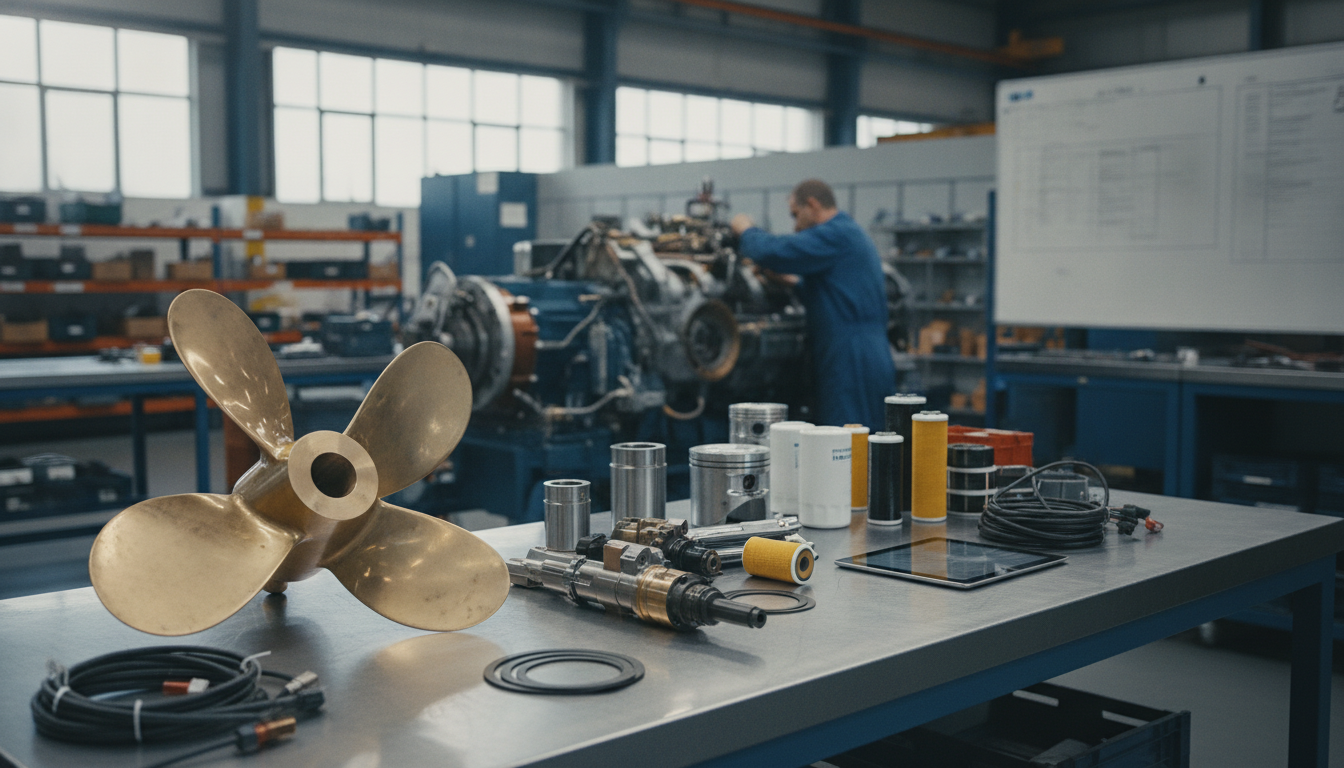
In the marine industry, understanding the role of spare parts in maintaining vessel efficiency is essential. Vessels require constant maintenance to ensure they operate at peak performance. Spare parts are key to this process, helping to avoid costly downtime and improve efficiency.
Importance of Spare Parts in Marine Vessels
The role of spare parts is multifaceted, contributing not only to the operational efficiency of a vessel but also enhancing safety and longevity. Regularly replacing worn-out parts reduces the risk of unexpected failures.
Operational Efficiency
Spare parts significantly impact operational efficiency. When essential components like filters, pumps, or valves malfunction, they can cause a vessel to operate below optimal levels. Replacing these components promptly ensures the vessel runs smoothly and reduces fuel consumption.
Efficient operation translates to better performance on water, which is vital in maintaining schedules and meeting operational demands. Moreover, it helps in reducing wear and tear on other systems, ultimately saving costs.
Safety Considerations
Safety on board is paramount in marine operations. Damaged or faulty spare parts can lead to dangerous situations, including machinery failure or hazardous spills. Having readily available, high-quality spare parts contributes to a safer working environment.
Additionally, regular inspections and maintenance of spare parts allow crews to identify potential risks proactively. This practice builds a culture of safety and awareness that is critical in the marine environment.
Choosing the Right Spare Parts for Your Vessel
Not all spare parts are created equal. Choosing the right components for your vessel can significantly impact efficiency and performance. Understanding factors such as quality, compatibility, and reliability is essential.
Quality of Spare Parts
Opting for high-quality spare parts is non-negotiable. Poor-quality parts can lead to further damage and frequent replacements, increasing downtime. Always choose OEM (Original Equipment Manufacturer) parts where possible, as these are designed specifically for your vessel.
Additionally, while aftermarket parts can be tempting due to lower prices, they may not meet the original specifications. This could potentially lead to performance issues or safety risks, making the initial savings counterproductive.
Compatibility and Sourcing
Compatibility is crucial when selecting spare parts. Using parts that do not fit correctly can lead to operational problems or even system failures. Always consult the vessel’s manual or a professional when selecting parts to ensure they meet specifications.
Sourcing parts from reputable suppliers also ensures reliability. Engaging with established marine supply companies means access to quality components that have been tested for durability and performance.
Best Practices for Maintaining Spare Parts
Regularly maintaining spare parts is just as vital as selecting the right ones. Establishing best practices can extend the life of components and ensure that vessels run efficiently.
Regular Inspections and Maintenance
Conducting regular inspections is fundamental in ensuring spare parts are functioning correctly. Regular maintenance schedules should include checks for wear on essential components like belts, hoses, and safety equipment.
Keeping a maintenance log helps track repairs and replacements, aiding in forecasting future needs. This record can be invaluable during inspections or when evaluating performance over time.
Proper Storage of Spare Parts
How you store spare parts affects their usability when needed. Ensure they are kept in a clean, dry environment to prevent rust and degradation. Proper labeling and organization also help in quickly identifying and retrieving parts when necessary.
Training personnel on care and handling of spare parts minimizes the chance of damage. Regular audits of stored inventory ensure that obsolete or faulty parts are removed timely.
The Financial Impact of Spare Parts
Investing in spare parts is critical for vessel performance but comes with financial implications. Understanding these costs can help balance budgets effectively while maintaining safety and efficiency.
Cost-Benefit Analysis
Conducting a cost-benefit analysis helps identify the value of maintaining a stock of spare parts. Consider both the short-term costs of purchasing parts versus the long-term benefits of avoiding operational downtime.
Moreover, investing in high-quality components may seem costly initially but can save money on repairs and fuel over time, leading to a more efficient operation.
Emergency Preparedness
Being prepared for emergencies involves having the right spare parts on hand to minimize downtime. This preparedness can lead to financial advantages, particularly in an industry where every hour of operation counts.
Developing a strategy for emergency spare parts procurement can also ensure essential components are available when unexpected repairs arise, adding further financial stability.
Common Mistakes in Managing Spare Parts
Managing spare parts can be a complex task, and several common mistakes can jeopardize vessel efficiency. Recognizing these pitfalls is essential for effective management.
Neglecting Inventory Management
One of the biggest mistakes is neglecting proper inventory management. Letting spare parts accumulate without regular checks can lead to unexpected shortages or excess. This mismanagement can affect operational readiness and operational costs.
Implementing a systematic inventory tracking system helps mitigate this issue by informing decisions on what to retain, what to discard, and when to restock. Regular audits further aid in maintaining accurate records.
Forgetting Staff Training
Another common error is underestimating the importance of staff training in spare parts management. Personnel should be informed about proper handling, storage, and protocols for ordering parts. This forms a crucial aspect of maintaining overall vessel efficiency.
Regular training sessions and updates on changes in protocols enhance staff efficiency and ensure that best practices are followed at all times.
Conclusion
In conclusion, understanding the role of spare parts in maintaining vessel efficiency is critical for marine operations. From ensuring safety to improving performance, these components are vital. By choosing the right parts, implementing best practices, and recognizing financial implications, operators can maintain effective vessel operations and safety.
Investing time and resources in spare parts management leads to significant benefits, including extended equipment life and reduced operational costs. Therefore, every marine professional must prioritize this aspect of their operations.
| Aspect | Pros | Cons |
|---|---|---|
| OEM Parts | High compatibility, safety assurance | Higher cost |
| Aftermarket Parts | Lower initial price | Possible quality issues |
| Regular Inspections | Increased vessel safety, reliability | Time-consuming |
FAQs
What types of spare parts are essential for vessel maintenance?
Essential spare parts include filters, pumps, valves, belts, and hoses. These components are crucial for efficient operation and safety on board.
How often should spare parts be inspected?
Spare parts should be inspected regularly, typically during routine maintenance checks. This schedule ensures timely detection of wear or damage.
Are aftermarket spare parts worth considering?
Aftermarket parts can be cost-effective, but they may not always meet original specifications. Assessing quality and reliability is essential before purchasing.
What is the role of inventory management in spare parts?
Inventory management involves tracking spare parts availability, preventing shortages, and ensuring effective procurement strategies to maintain vessel efficiency.
How can I minimize spare parts costs?
To minimize costs, choose high-quality OEM parts that last longer and require less frequent replacement. Conducting a cost-benefit analysis before purchases is also recommended.