Everything You Need to Know About The Impact of Saltwater on Marine Equipment and How to Protect Your Investment in Marine Supplies and Repairs
Saltwater is a significant factor in the lifespan and functionality of marine equipment. Its corrosive nature can lead to various issues, resulting in costly repairs and replacements. In this article, we will explore the impact of saltwater on marine equipment and provide essential tips on safeguarding your investment in marine supplies and repairs.
Understanding Saltwater’s Corrosive Nature
Saltwater’s corrosive nature arises from its high conductivity and chemical composition. This section discusses how saltwater affects different materials used in marine equipment.
How Saltwater Corrodes Metals
Saltwater can be particularly harsh on metals like aluminum, steel, and copper, leading to rust and corrosion. The electrochemical process that occurs in saltwater accelerates metal degradation. For instance, when metal comes into contact with saltwater, it tends to oxidize more quickly than in freshwater.
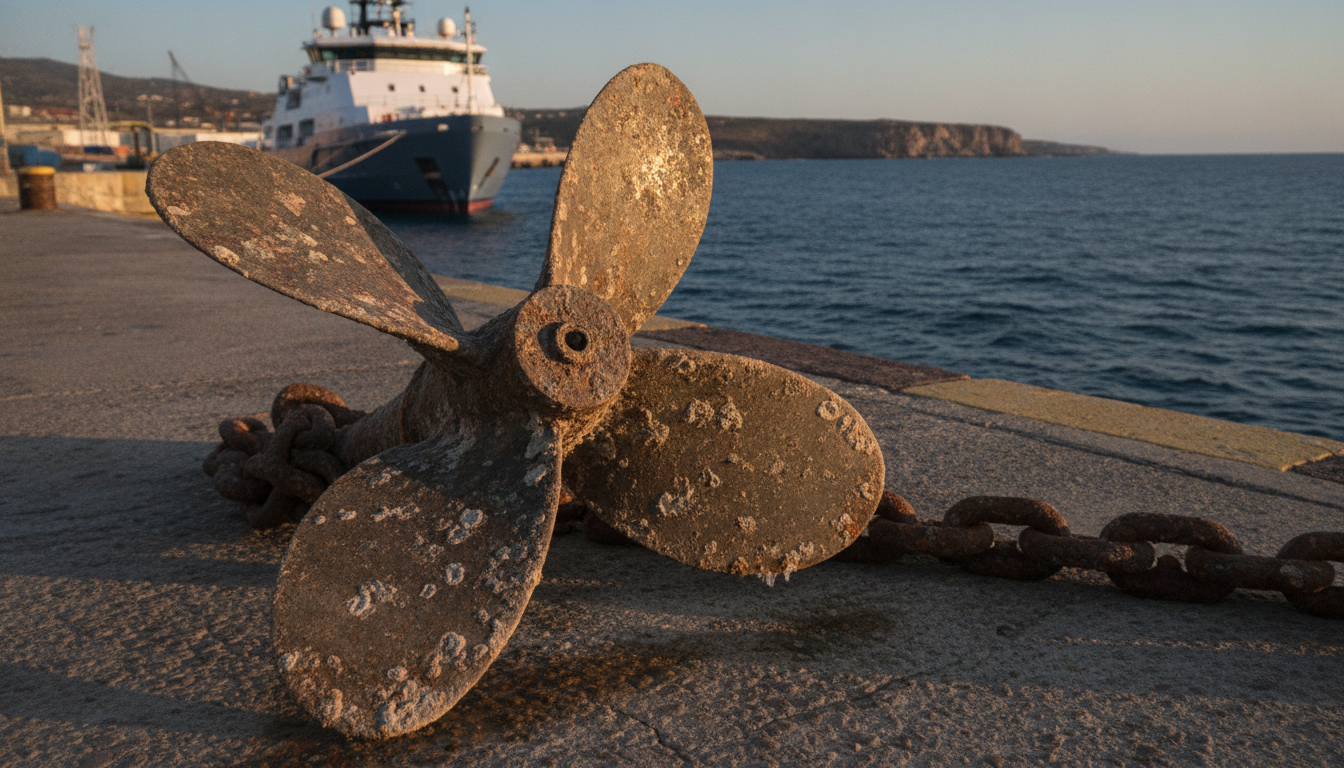
This corrosion can weaken structural integrity, leading to failures in critical equipment like engines and propellers. Regular inspections and maintenance are vital to catch corrosion early and prevent extensive damage.
Effects on Non-Metal Materials
Non-metal materials, such as plastics and composites, are not immune to saltwater’s effects. Over time, exposure to saltwater can cause degradation, resulting in brittleness and loss of strength. Additionally, fungal and microbial growth can thrive in saltwater environments, complicating maintenance efforts.
To prevent these issues, it’s important to protect your equipment with appropriate coatings or barriers. Understanding the vulnerabilities of these materials can help owners make informed choices when selecting marine equipment.
Common Problems Caused by Saltwater
Saltwater exposure leads to various problems that can affect marine equipment’s performance. Recognizing these issues can help you take proactive steps in maintenance.
Electrical Failures
Corrosion impacts electrical connections, causing failures that can shut down entire systems. Saltwater can infiltrate wiring and connectors, leading to short circuits. A common issue is the failure of battery terminals due to corrosion.
Routine checks on electrical systems can help catch these problems early. Using corrosion-resistant materials and sealants can extend the life of electrical components, significantly improving reliability.
Decreased Efficiency and Performance
As marine equipment becomes corroded, performance may decline, leading to decreased fuel efficiency and power output. Impellers, engines, and propellers can become encrusted with salt and marine growth, hampering their functionality.
Regular cleaning and maintenance practices can help preserve equipment efficiency. Using anti-fouling systems can also help minimize marine growth, maintaining optimal performance.
Best Practices for Protecting Marine Equipment
Implementing effective strategies to protect your marine equipment from saltwater damage is crucial. Here are some practical measures to consider.
Regular Maintenance and Cleaning
One of the most effective ways to combat the effects of saltwater is through regular maintenance and cleaning. After each outing, wash down your equipment with fresh water to remove salt, sand, and debris. This small action can have a significant impact over time.
Additionally, inspect your equipment frequently for signs of corrosion or wear. Addressing issues promptly can save you from costly repairs in the future. Don’t forget to clean electrical connections to ensure optimal performance.
Using Protective Coatings and Compounds
Applying protective coatings can create a barrier against saltwater and other corrosive elements. Marine waterproof paint and anti-corrosive sprays can provide additional layers of protection on metal surfaces. For electrical components, use dielectric grease to shield connections from moisture and salt.
Choosing the right protective products based on your equipment’s materials is essential for optimal effectiveness. Ensure that you follow manufacturer guidelines for application and reapplication intervals.
Choosing the Right Marine Equipment and Supplies
Selecting quality equipment and materials can impact your equipment’s resilience to saltwater. This section shares insights into the best equipment choices.
Durability and Corrosion Resistance Features
When purchasing marine equipment, prioritize products made from corrosion-resistant materials. Stainless steel, marine-grade aluminum, and composite materials tend to perform better in saltwater environments.
In addition to material choices, consider the equipment’s design and maintenance features. Designs that allow for easy cleaning and maintenance can help prolong your equipment’s longevity. Always consult with manufacturers about specific saltwater resilience features.
Investing in Quality Over Cost
It can be tempting to choose cheaper options, but investing in high-quality marine equipment pays off in the long term. High-quality equipment often has better warranties and customer support, which can make a significant difference if issues arise.
Additionally, trusted brands typically have good reputations for durability and reliability. Research customer reviews and expert recommendations to identify the best products for your needs. Remember, your investment in quality ensures personal safety and equipment reliability.
Monitoring and Preparing for Environmental Conditions
Understanding environmental factors such as weather conditions and water quality can help protect your marine equipment.
Weather Conditions and Maintenance Adjustments
Marine equipment may require different maintenance routines based on seasonal weather changes. Saltwater is especially corrosive in warmer temperatures, so increased vigilance is recommended during summer months.
Prepare for storms or heavy rainfall by checking your equipment’s integrity. Secure all parts and consider storing equipment indoors if severe weather is imminent. This proactive approach can mitigate potential damage from harsh conditions.
Understanding Water Quality and Salinity
Monitoring water quality also plays a crucial role in equipment maintenance. Higher salinity levels lead to increased corrosion rates. Regularly testing the water in your operating areas can help you determine additional protective measures to implement.
Investing in water testing kits enables you to track changes over time. Adjust your maintenance strategy accordingly based on the salinity levels and environmental factors affecting your marine equipment.
FAQ
What is the primary effect of saltwater on marine equipment?
The primary effect of saltwater on marine equipment is corrosion. Saltwater can accelerate the degradation of metals and impact electrical systems, leading to costly repairs.
How can I protect my boat from saltwater damage?
Protect your boat by washing it with fresh water after use, applying protective coatings, and conducting regular maintenance checks. These practices will help extend its lifespan.
Are all materials equally affected by saltwater?
No, different materials react differently. Metals like steel and aluminum are highly susceptible to corrosion, while certain plastics and composites perform better in saltwater.
When should I conduct maintenance checks on my marine equipment?
Conduct maintenance checks regularly, especially after heavy use or exposure to harsh weather conditions. This can help identify problems early and prevent extensive damage.
Can I use standard cleaning products on marine equipment?
It’s best to use specialized marine cleaning products designed for saltwater exposure. Regular household cleaners may not be effective or could cause further damage.
What are the signs of corrosion to look out for?
Signs of corrosion include rust stains, flaking paint, and pitting on metal surfaces. Checking electrical connections for discoloration is also crucial.
How often should I apply protective coatings?
Follow manufacturer guidelines for protective coatings, but a general practice is to reapply at least once a year or after extensive exposure to saltwater.
Is it worth investing in high-quality marine equipment?
Yes, investing in high-quality marine equipment provides better durability, reliability, and potential savings on repairs. Quality products often come with robust warranties and support.
Conclusion
Understanding the impact of saltwater on marine equipment is vital for protecting your investment. By implementing regular maintenance, choosing the right materials, and preparing for environmental challenges, you can enhance the longevity and durability of your marine equipment.
Proactive measures will not only secure your investment but also ensure safe and enjoyable marine experiences. Prioritize effective strategies to address the corrosive effects of saltwater, and remain vigilant in maintaining your supplies and equipment.