
Why Innovative Ship Repair Techniques: Methods to Enhance Durability and Performance is More Important Than Ever in Marine Supplies and Repairs
In the ever-evolving field of marine supplies and repairs, adopting innovative ship repair techniques has become essential. These methods not only enhance the durability and performance of ships but also contribute to cost savings and operational efficiency. As maritime industries face challenges such as environmental regulations and rising operational costs, embracing these innovative practices is a strategic necessity.
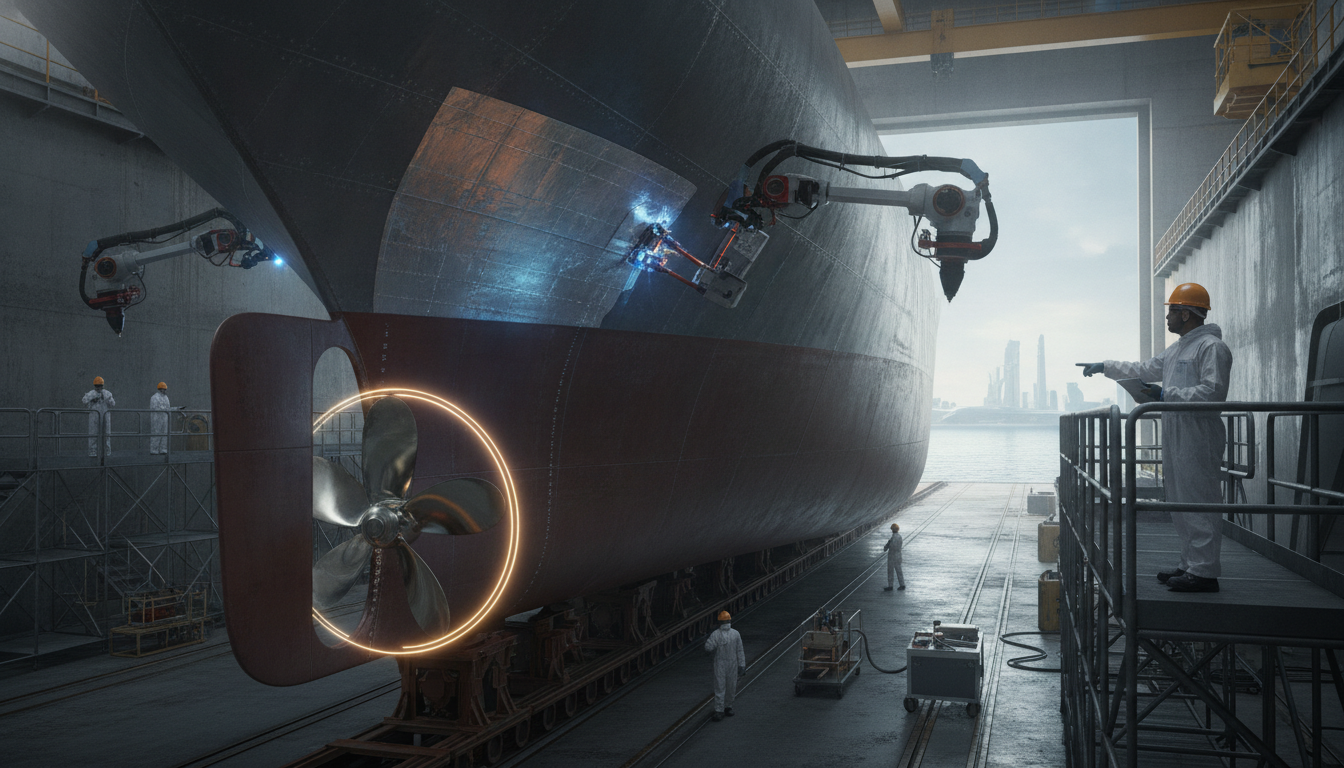
Understanding Innovative Ship Repair Techniques
Innovative ship repair techniques encompass modern methods that improve repair quality and extend the lifespan of marine vessels. They utilize state-of-the-art materials and technologies, ensuring ships perform optimally while minimizing downtime. By integrating these techniques, shipyards can streamline processes and enhance overall safety.
What Are Innovative Techniques?
Innovative techniques in ship repair can include a variety of methods such as composite repairs, advanced welding technology, and computer-aided design. Each of these contributes uniquely to the repair process.
Composite repairs involve using materials that combine multiple substances, offering greater strength and flexibility. Advanced welding techniques reduce the likelihood of defects, while computer-aided design allows for precise, quick repairs that save time and resources.
Importance of Continuous Improvement
Continuous improvement in ship repair techniques leads to better outcomes both in durability and performance. The marine industry is dynamic, and adapting to new technologies is necessary for survival.
Continuous training and development for ship repair teams ensure that they are equipped with the latest skills. By fostering a culture of learning, shipyards can enhance their reputation and increase customer satisfaction.
Benefits of Innovative Ship Repairs
Many benefits come with embracing innovative ship repair methods. These range from improved safety to reduction in maintenance costs. Understanding these benefits can help decision-makers in marine supplies to make informed choices.
Cost Savings and Efficiency
Implementing innovative repair techniques can lead to substantial cost savings. Traditional repair methods often involve longer turnaround times and more labor-intensive processes.
By adopting innovations, such as automated welding or robotic repairs, shipyards can reduce labor costs and increase throughput. This efficiency translates to better profitability and less downtime for vessels.
Enhanced Safety Measures
Innovative techniques often incorporate improved safety measures that are beneficial for workers and equipment. Utilizing modern materials often means that repairs are more resilient.
For instance, using non-toxic and environmentally friendly materials reduces health risks for repair personnel. Additionally, enhanced repair processes minimize the risk of structural failures that can lead to accidents at sea.
Key Technologies Driving Innovation
Several technologies are driving innovation in ship repair techniques. Understanding these technologies can help business owners recognize which methods to invest in for future success.
3D Printing
3D printing has emerged as a revolutionary technology in ship repair. It allows for the rapid production of parts, reducing the lead time significantly.
This technology also enables customization of parts, allowing for specific repairs that traditional methods may not accommodate easily. Thus, 3D printing stands out as a game-changer in maintaining ship performance.
Digital Twin Technology
Digital twin technology creates a virtual representation of a ship, allowing for real-time monitoring and analysis. This innovation helps predict maintenance needs before issues arise.
By implementing digital twins, shipyards can reduce downtime and increase the effectiveness of repairs, leading to improved overall performance.
Challenges in Implementing Innovative Techniques
Despite the benefits, implementing innovative ship repair techniques presents challenges. Identifying these issues can prepare businesses to tackle them proactively.
Cost of Training and Equipment
One significant challenge is the cost associated with training existing staff and acquiring new equipment. Investing in technology requires capital and can take time to yield returns.
However, the long-term gains often outweigh these initial costs. Facilitating proper training ensures that employees maximize the benefits of new technology, making it a worthy investment.
Resisting Change in Traditional Practices
Resistance to change is another challenge in adopting innovative techniques. Many businesses are accustomed to traditional methods of repair and may hesitate to shift.
To overcome this, companies can demonstrate the advantages of innovation through pilot projects or case studies, showcasing successful outcomes to ease concerns.
Future of Ship Repair Techniques
The future of ship repair techniques looks promising as innovation continues to shape the industry. It is crucial to adapt to these changes to maintain competitiveness.
Emerging Trends
As technology advances, emerging trends like automation and artificial intelligence are being incorporated into ship repairs. These advancements streamline processes and improve communication between teams.
By staying updated with trends, shipyards can ensure that they remain relevant in the market. This proactive approach allows for sustainable development in marine repairs.
Adoption of Green Technologies
Increasingly, there is a push for environmentally-friendly practices in ship repair. Adopting green technologies not only helps comply with regulations but also appeals to eco-conscious customers.
These technologies may include using sustainable materials or optimizing energy usage in repair processes. Embracing these methods can take a shipyard to new heights
| Technique | Benefit | Example |
|---|---|---|
| 3D Printing | Reduces lead time for parts | Custom fittings for repairs |
| Digital Twins | Real-time monitoring | Predicts maintenance needs |
FAQs About Innovative Ship Repair Techniques
What are the main challenges faced in ship repair?
The main challenges include the initial cost of new technologies, training staff, and overcoming resistance to change from traditional methods.
How do innovative techniques save costs?
Innovative techniques can reduce repair time and labor costs, allowing for quicker turnaround and less downtime for vessels.
What role does technology play in ship repair?
Technology, such as 3D printing and digital twins, enables faster and more efficient repairs, enhancing overall performance.
Why is safety important in ship repairs?
Safety is crucial as it protects workers and ensures the integrity of the ship structure, reducing the likelihood of accidents.
How can companies stay updated with innovations?
Companies can stay updated by attending industry conferences, engaging in training, and following industry news related to marine technologies.
Conclusion
In conclusion, the importance of innovative ship repair techniques cannot be overstated in the marine supplies and repairs sector. With numerous benefits ranging from cost efficiency to enhanced safety, adopting these practices is crucial.
By embracing modern technologies and continuous improvement, shipyards can not only survive but thrive in a competitive environment. The future of marine repairs is bright, driven by innovation and sustainability.