
How Custom Fabrication Can Enhance Your Boat’s Performance
In the marine industry, the quest for performance, efficiency, and safety is paramount. With the rise of custom parts fabrication, boat owners now have unprecedented opportunities to enhance their vessels’ performance. Custom marine parts not only optimize functionality but can also vastly improve the overall boating experience. In this article, we will explore how custom fabrication plays a crucial role in achieving superior boat performance, examining various fabrication methods, practical applications, and real-world examples.
Understanding Custom Fabrication in the Marine Sector
What is Custom Fabrication?
Custom fabrication is the process of producing specialized components tailored to specific requirements. In the marine sector, this includes parts that are designed to fit the unique specifications of individual boats. Whether it’s for performance enhancement or aesthetic upgrades, custom parts can greatly contribute to a vessel’s effectiveness on the water.
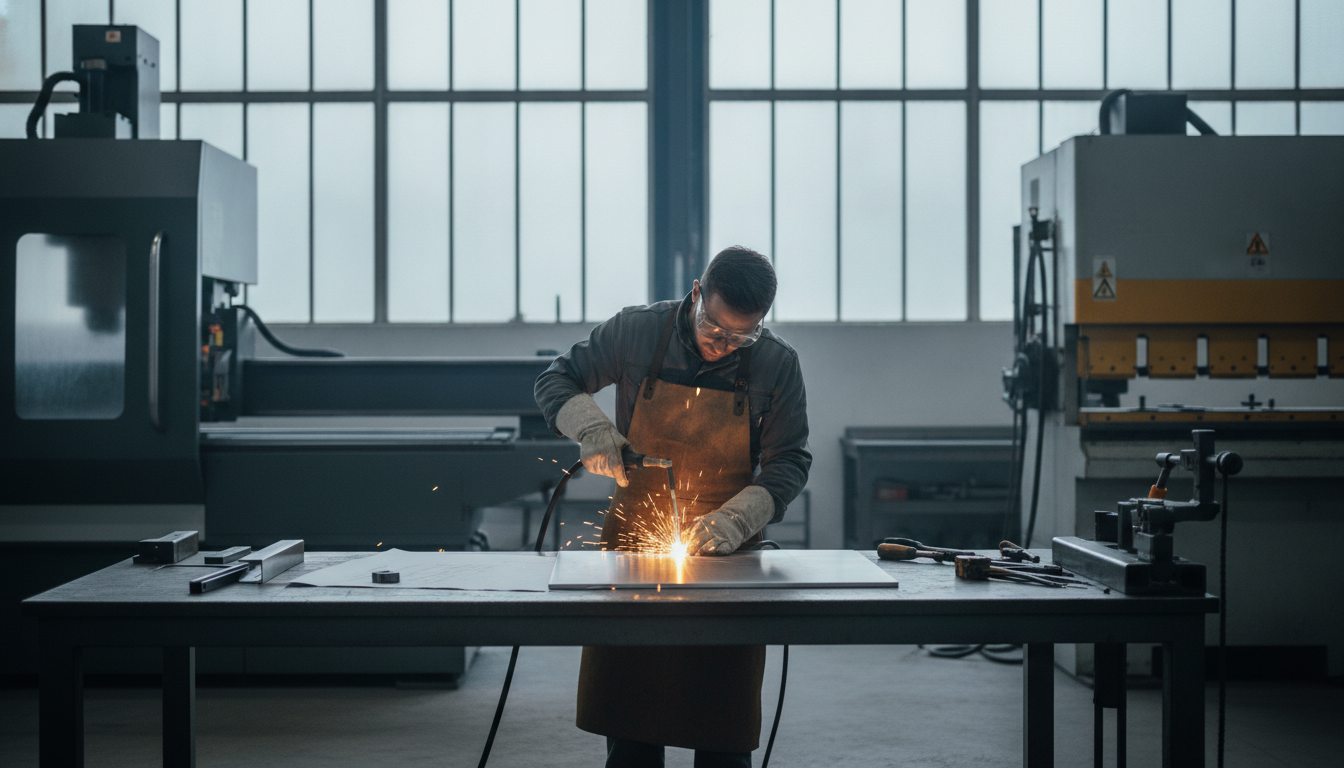
This process typically involves various techniques such as welding, machining, and molding to fabricate marine parts from materials like aluminum, stainless steel, and fiberglass. The focus on precision in creating these components is essential, as even minor inaccuracies can lead to significant performance issues.
Through custom fabrication, boat builders and owners can optimize features such as weight distribution, aerodynamics, and structural integrity, ultimately improving propulsion, stability, and fuel efficiency.
Benefits of Custom Fabrication
One of the primary advantages of custom fabrication is the ability to create parts that are perfectly suited for a vessel’s operational needs. Custom components can enhance a boat’s speed, reduce drag, and improve fuel efficiency, making them a valuable investment for serious boaters.
Additionally, custom parts can help in extending the lifespan of the boat. By using high-quality materials customized for durability, owners can minimize wear and tear, reducing the need for frequent repairs or replacements. This not only saves money in the long term but also ensures safety on the water.
Another important benefit is that custom fabrication allows for personalization. Boat owners can choose features that reflect their personal style, ensuring that their vessel is not only high-performing but also aesthetically pleasing. From custom hull designs to unique interior layouts, the possibilities are nearly limitless.
Key Areas Where Custom Fabrication Can Impact Performance
Hull Modifications
The hull is critical to a boat’s performance. Custom fabrication enables boaters to modify hull shapes for improved hydrodynamics, leading to significant enhancements in speed and fuel efficiency. For instance, a boat designed for speed might have a sleeker, more streamlined hull, while a vessel meant for stability might feature a broader shape.
Moreover, the addition of specialized hull materials can greatly affect durability and maintenance. By fabricating hull parts from lightweight composites or advanced alloys, boaters can ensure that their vessels are both fast and robust enough to withstand harsh marine conditions.
Custom hull modifications also allow for consideration of weight distribution. By reallocating weight through custom fabrication, owners can fine-tune how their boat handles, enhancing maneuverability and stability while reducing the risk of capsizing during rough seas.
Engine and Propulsion System Enhancements
Engine performance heavily influences a boat’s overall capabilities. Custom fabrication can lead to the creation of bespoke engine components that maximize efficiency. By optimizing exhaust systems, intake manifolds, and other critical parts, boat owners can significantly boost power output while maintaining or reducing fuel consumption.
Similarly, propellers are vital for propulsion efficiency. Custom-designed propellers can be made to suit specific boating conditions, whether it’s for offshore racing or leisure cruising. The right propeller can enhance thrust, reduce cavitation, and improve overall performance on the water.
Additionally, integrating advanced materials in the fabrication of engine components can lead to reductions in weight without compromising strength. This results in better acceleration and handling, capturing the essence of performance boating.
Challenges in Custom Fabrication
Cost Considerations
While the benefits of custom fabrication are clear, the expense involved can be a significant barrier for some boat owners. The process of designing, manufacturing, and installing custom parts can be costly, particularly when higher-quality materials and skilled labor are involved.
Boat owners must conduct cost-benefit analyses to determine whether the performance enhancements justify the initial investment. For instance, racing teams may find that the financial outlay pays for itself through increased speeds and competitive advantages, while casual boaters may need to weigh up how necessary these improvements are.
Moreover, custom fabrication does not always guarantee immediate performance benefits. It’s crucial for owners to have clear objectives and plans in place, ensuring the custom parts meet their specific needs thoroughly without overspending on unnecessary features.
Finding the Right Fabrication Partner
Choosing a competent fabrication partner is essential to achieving the desired outcomes in custom fabrication projects. Not all marine service providers have the same level of expertise or access to advanced technology, which can significantly impact the quality of the final product.
Boat owners should look for partners with proven track records, certifications, and positive customer feedback. Engaging in a comprehensive discussion about project expectations, timelines, and cost structures can help ensure transparency throughout the fabrication process.
Additionally, it is beneficial to choose a fabricator that values collaboration and communication. This ensures that any changes or innovations in design can be addressed promptly, keeping the project on track and aligned with the owner’s vision.
Real-World Examples of Improved Performance
Case Study: Custom Hull Design
A notable example of successful custom fabrication can be seen in the case of a competitive sailing team that sought to enhance their boat’s performance through a unique hull design. They commissioned a customized hull with specialized hydrodynamic features that reduced drag significantly during races.
As a result of the custom fabrication, this team experienced an average speed increase of 15% during critical races. The investment paid off, showcasing the effectiveness of tailored designs in competitive environments.
Further, the custom hull not only improved speed but also increased the boat’s stability in various conditions, allowing for smoother handling even in rough waters. This versatility became a deciding factor that contributed to the team’s overall success.
Case Study: Engine Optimization
Another case involved a leisure boat that underwent significant engine optimization through custom fabrication. The owner engaged a marine services provider to design and fabricate a bespoke exhaust system that improved the engine’s airflow. After installation, the boat registered a 12% increase in fuel efficiency and better acceleration out of the water.
This enhancement not only made the boating experience more enjoyable but also highlighted the long-term savings on fuel costs. The owner expressed satisfaction with the performance upgrade, stating that they could now spend more time on the water enjoying their vessel.
This case underscores the importance of considering both performance enhancements and economic benefits when investing in custom marine parts.
Conclusion
Custom fabrication has revolutionized the boating industry, offering unique opportunities to enhance the performance of vessels of all types. From modifying hull designs to optimizing engine components, the applications of custom marine parts are vast and varied. Understanding how to leverage these advantages effectively can lead to remarkable improvements in speed, efficiency, and overall boating experience.
As you consider your next upgrade, keep in mind the potential of custom fabrication tailored precisely to your needs. With careful planning and the right partners in place, the journey toward enhanced performance can begin, ultimately transforming how you experience life on the water.
Frequently Asked Questions
What materials are best for custom marine parts?
The ideal materials for custom marine parts often include aluminum for its strength-to-weight ratio, stainless steel for corrosion resistance, and composites like fiberglass for lightweight structural components. The choice of material should depend on the part’s function and exposure to marine environments.
How long does the custom fabrication process typically take?
Depending on complexity and the fabricator’s workload, the custom fabrication process can take anywhere from a few weeks to several months. It’s essential to discuss timelines with your fabricator to understand how their schedule aligns with your boating plans.