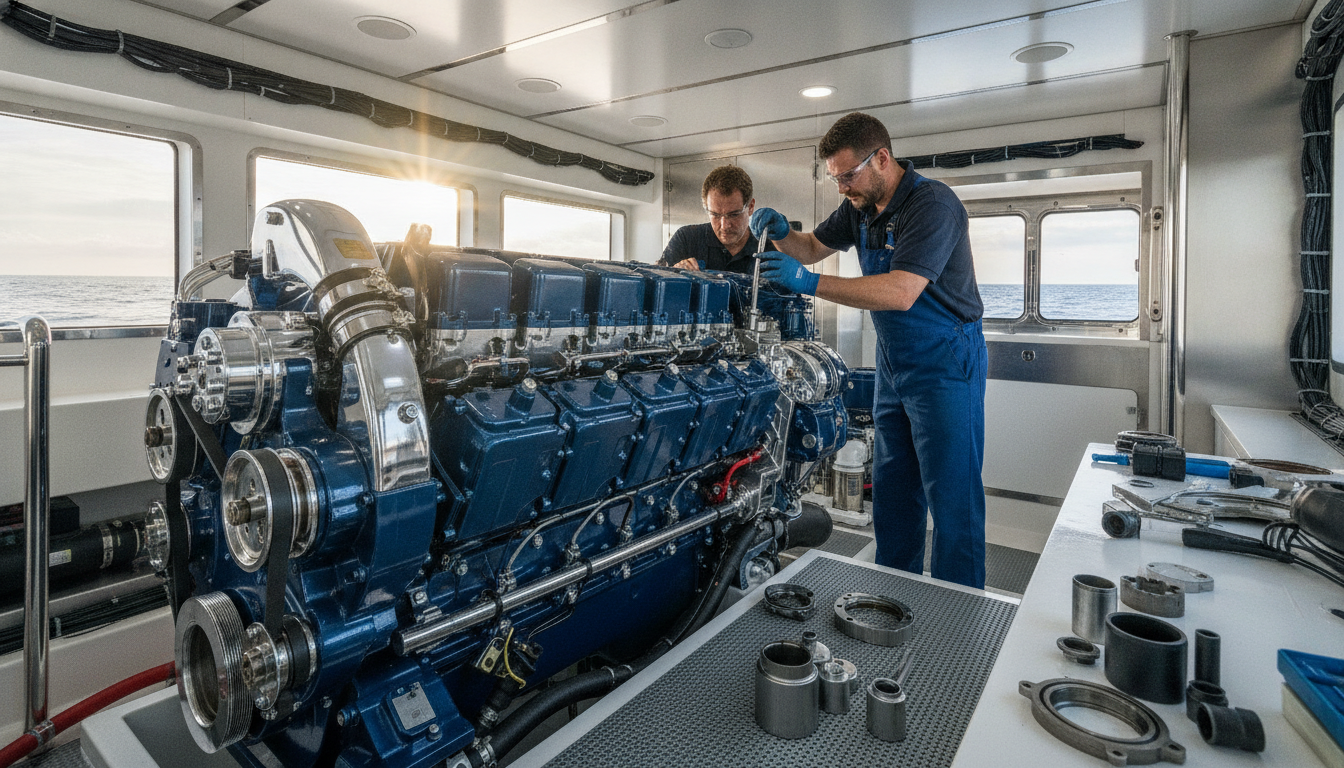
Why The Benefits of Regular Diesel Engine Maintenance for Marine Vessels is More Important Than Ever in Marine Supplies and Repairs
For marine vessels, proper maintenance of diesel engines is not just a luxury; it’s a necessity. Regular diesel engine maintenance helps ensure the longevity and efficiency of vessels. As the maritime industry faces increasing operational demands, understanding the benefits of routine maintenance becomes crucial. These benefits are vital in improving safety, reducing repair costs, and enhancing overall performance. In this article, we will explore these benefits in detail, providing practical insights for vessel owners and maritime professionals.
Understanding Diesel Engine Maintenance
Diesel engine maintenance encompasses a variety of practices designed to keep engines running smoothly. Regular inspections, oil changes, and part replacements are essential tasks. Understanding the specific needs of marine diesel engines is key to effective maintenance. By knowing how these engines work, you can better appreciate the necessity of regular checks.
What Does Regular Maintenance Involve?
Regular maintenance involves systematic checks and repairs that ensure the engine functions correctly. Key activities include:
- Oil changes every 100 hours or as recommended.
- Filter replacements to prevent impurities.
- Inspection of belts and hoses for wear.
- Cooling system checks to prevent overheating.
By following these basic steps, you can enhance operational efficiency and extend the life of your engine. Remember that maintaining a schedule is just as important as the tasks themselves.
Why Maintenance is Essential for Marine Vessels
Marine vessels operate in challenging environments. Regular maintenance is crucial for maintaining performance and reliability. Diesel engines can experience wear and tear due to saltwater exposure and varying temperatures. Inaction can lead to serious engine failures.
Moreover, regulatory compliance is another reason for regular maintenance. Adhering to safety standards isn’t just a good practice; it’s legally required. Thus, maintenance can prevent legal issues and enhance safety for crew and passengers alike.
Cost-Efficiency of Regular Maintenance
One major benefit of regular diesel engine maintenance is its cost-effectiveness. While some may see maintenance as an expense, it ultimately saves money over time. Preventative measures significantly reduce the risk of major repairs.
Lower Repair Costs
Regular inspections help identify minor issues before they escalate. For example, a small leak that is addressed early can prevent catastrophic engine damage. This proactive approach leads to:
- Fewer unplanned repairs.
- Lower overall maintenance costs.
- Extended engine life.
Ultimately, maintaining the engine can save you thousands of dollars in repair costs. It’s an investment that pays off significantly in the long run.
Fuel Efficiency Improvements
Another financial advantage of regular maintenance is improved fuel efficiency. Diesel engines that are well-maintained consume fuel more effectively. Ensuring that filters are clean and that the engine is running smoothly can lead to significant savings on fuel costs.
Additionally, enhanced fuel efficiency is also beneficial for the environment. By optimizing fuel use, you can reduce your carbon footprint while keeping operational costs down. Both boat owners and regulatory bodies increasingly prioritize sustainability.
Enhancing Safety and Performance
Safety is paramount in marine operations. Regular diesel engine maintenance plays a crucial role in enhancing vessel safety. A well-maintained engine is less likely to experience unexpected failures that could lead to dangerous situations.
Prevention of Engine Failures
Unexpected engine failures can be catastrophic, especially when at sea. Regular maintenance minimizes this risk. By regularly checking components like the fuel system and electrical parts, you can catch potential issues before they lead to failures.
Another consideration is the impact on crew safety. A reliable engine means that crew can focus on their tasks without fear of mechanical issues. Comfort leads to better performance and confidence during operations.
Optimal Engine Performance
Regular maintenance keeps engines running at their best. This includes optimizing power output and fuel economy. A well-tuned engine responds better, accelerating faster and delivering power when needed.
Moreover, better performance enhances the overall experience for the crew and passengers alike. A smoother ride can help build trust among crew members and owners, leading to better teamwork and higher morale.
Compliance with Environmental Regulations
In the maritime industry, adhering to environmental regulations is increasingly important. Regular diesel engine maintenance helps ensure compliance with laws regarding emissions and discharges. Keeping engines properly tuned minimizes harmful emissions, making operations greener.
Reducing Emissions
Proper maintenance limits the amount of pollutants released into the environment. Regularly changing oil and filters helps keep emissions within legal limits. Additionally, improved fuel efficiency leads to less overall fuel consumption and lower emissions.
Consequently, vessels that adhere to environmental standards can better position themselves in the market. Many clients prioritize eco-friendly practices when choosing a service provider.
Avoiding Fines and Legal Issues
Failing to comply with regulations can result in hefty fines and legal repercussions. Regular maintenance ensures that your engines meet the necessary standards. Addressing any potential issues proactively helps avoid complications later.
Beyond fines, being compliant enhances your brand image. Demonstrating a commitment to environmental responsibility can attract more clients and build customer loyalty.
Building Trust with Marine Supplies and Repair Vendors
Good relationships with marine supplies and repair vendors are essential in maintaining your vessel. Routine engine maintenance is viewed favorably by these suppliers. When you demonstrate a commitment to upkeep, you can benefit from trust and better service.
Building Strong Relationships
Regular maintenance activities foster strong relationships with your suppliers. Vendors appreciate clients who prioritize maintenance as it means less hassle for them and their team. Strong partnerships lead to better service quality and potential discounts.
Furthermore, a good relationship can facilitate faster access to parts and supplies. When emergencies arise, having a reliable vendor can make all the difference in minimizing downtime.
Gaining Expert Insights
Engaging regularly with repair vendors offers opportunities for expert insights. These professionals can provide valuable advice on best practices for your specific vessel. Regular interactions can lead to tailored maintenance schedules that align with your operational needs.
Moreover, vendors often share information regarding new products and innovations in marine technology. This knowledge can enhance your vessel’s performance and safety.
FAQ
What are the key benefits of regular diesel engine maintenance?
The key benefits include improved engine performance, cost savings on repairs, enhanced safety, and compliance with environmental regulations. Regular maintenance also extends engine life and boosts fuel efficiency.
How often should I perform maintenance on my diesel engine?
It’s recommended to conduct maintenance every 100 hours of operation or as stipulated by the manufacturer. Regular intervals help catch minor issues before they become significant problems.
Can neglecting maintenance lead to legal issues?
Yes, neglecting maintenance can lead to non-compliance with regulations, resulting in fines and legal repercussions. Regular upkeep ensures adherence to safety and environmental standards.
What are the signs that my diesel engine needs maintenance?
Signs include unusual noises, decreased power, increased fuel consumption, and warning lights on the dashboard. If you notice any of these issues, it’s time for a maintenance check.
Where can I find reliable marine maintenance services?
Reliable marine maintenance services can typically be found through recommendations from other vessel owners, online reviews, or by consulting local marine supply shops.
Is regular diesel engine maintenance expensive?
While there are costs associated with maintenance, they are often significantly lower than the costs incurred from major repairs due to neglect. It is an investment that pays off in the long run.
How does maintenance impact fuel efficiency?
Regular maintenance, such as oil changes and filter replacements, can significantly improve fuel efficiency. A well-maintained engine runs more effectively, consuming less fuel while performing optimally.
What should I include in my maintenance checklist?
Your checklist should include oil changes, filter checks, inspections of hoses and belts, cooling system checks, and routine examinations of the fuel system. These steps are crucial for efficient operation.
Conclusion
In conclusion, the benefits of regular diesel engine maintenance for marine vessels are clear. From cost savings to enhanced safety, maintaining a routine touches every aspect of marine operations. More than just an option, it’s a commitment to quality, reliability, and compliance in the maritime industry. Vessel owners must prioritize maintenance to safeguard their investments and ensure smooth operations.
By staying proactive in engine care, you set the stage for successful maritime journeys. Consider leveraging partnerships with reputable marine service providers to ensure ongoing support and expertise. Regular maintenance isn’t just beneficial; it’s essential for a thriving vessel operation.