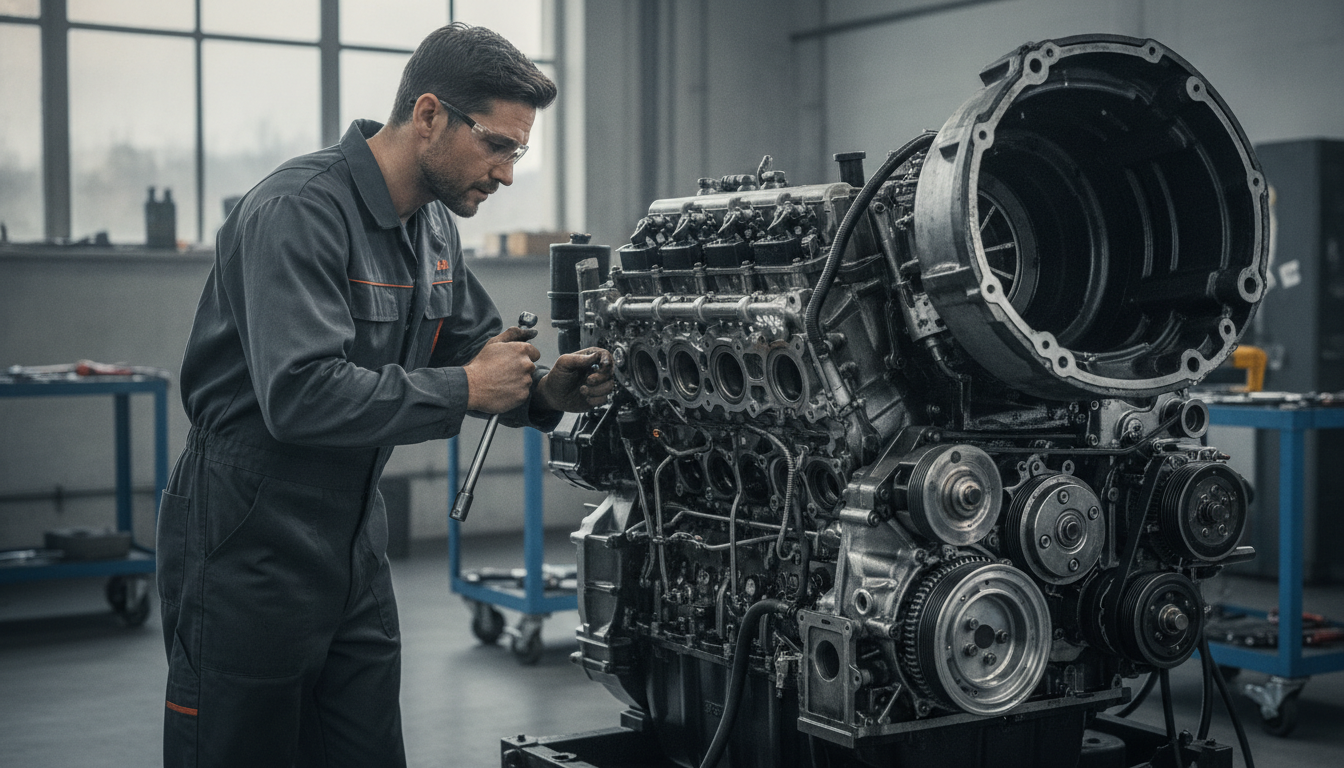
Everything You Need to Know About The Benefits of Regular Diesel Engine Maintenance for Marine Vessels
Regular maintenance of diesel engines is crucial for marine vessels. It not only prolongs the lifespan of the engine but also enhances the overall performance of the vessel. In the marine industry, the importance of a well-maintained engine cannot be overstated. From fuel efficiency to reducing operational costs, the benefits are numerous. This article will delve into these advantages, guide you through best practices, and answer common questions about diesel engine maintenance in marine settings.
Why Diesel Engine Maintenance Matters
Routine maintenance is essential for optimal performance in marine engines. Engaging in regular diesel engine maintenance ensures reliability and operational effectiveness. This section uncovers significant reasons you should prioritize this maintenance.
Enhanced Performance and Efficiency
One of the primary benefits of regular diesel engine maintenance is enhanced performance. A well-maintained engine performs efficiently, resulting in better fuel economy. Consequently, this reduces fuel costs over time, making operations financially viable for marine businesses.
Moreover, consistent maintenance allows for early detection of any potential issues. Identifying problems before they escalate helps avoid costly repairs down the line. Thus, staying proactive ensures your vessel runs smoothly and efficiently.
Prolonged Engine Lifespan
Another significant advantage of maintaining a diesel engine is a prolonged lifespan. Regular check-ups and servicing can prevent wear and tear, ensuring that the engine remains functional for a longer duration. Costly replacements can be avoided through diligence in maintenance.
Additionally, a long-lasting engine contributes to reduced environmental pollution. When engines run smoothly, they emit fewer harmful substances. This aspect of maintenance reflects positively on both the business’s image and the marine environment.
Key Aspects of Diesel Engine Maintenance
To ensure your marine vessel’s diesel engine remains in excellent condition, it’s vital to follow specific maintenance practices. This section outlines the key areas to focus on for effective upkeep.
Regular Inspections
Conducting regular inspections forms the foundation of effective engine maintenance. These inspections should cover critical components like the fuel system, filters, and cooling systems. Identifying wear and tear early helps in mitigating serious issues.
Moreover, when including digital diagnostic tools, maintenance teams can gain insights into engine performance metrics. These metrics help in making informed decisions regarding necessary repairs and servicing.
Fluid Maintenance
Maintaining the correct levels of fluids, such as oil and coolant, is crucial for engine health. Routine checks and changes of engine oil can significantly contribute to better lubrication and performance. Furthermore, this practice prevents engine overheating, prolonging its life.
Additionally, regularly replacing oil filters ensures that impurities do not circulate within the engine. Clean fluids play a vital role in maintaining efficient engine functions and reducing wear.
Costs Associated with Diesel Engine Maintenance
Understanding the costs of diesel engine maintenance is critical for boat owners. While it may seem expensive initially, the long-term savings and benefits outweigh these costs. This section provides insights into what to expect financially.
Budgeting for Regular Maintenance
Budgeting for regular maintenance should be a priority. Costs can vary based on vessel size and engine type. Planning for these expenses helps manage operational budgets more effectively.
Common expense areas include fluid changes, part replacements, and labor costs. Establishing a specific maintenance schedule can help predict these costs, providing better financial control.
Potential Savings from Maintenance
Investing in proper maintenance can yield significant savings in the long run. A well-maintained engine operates efficiently, resulting in lower fuel consumption. This leads to direct cost savings.
Additionally, avoiding sudden breakdowns and their associated repair costs can mean less downtime for your vessel. Reducing operational interruptions is vital for any marine business focused on efficiency and profitability.
Environmental Impacts of Diesel Engine Maintenance
Diesel engines have significant environmental considerations. Effective maintenance can mitigate these impacts and contribute positively to marine ecosystems. This section examines the environmental aspects of engine upkeep.
Reduction of Emissions
Regular maintenance of diesel engines contributes to reduced emissions. Engines that run smoothly produce fewer pollutants. Thus, adhering to maintenance schedules not only benefits the vessel but also supports environmental conservation efforts.
Additionally, clean engines are more efficient, thereby reducing the overall carbon footprint. This aspect shows a commitment to sustainable practices in marine operations.
Compliance with Regulations
Proper maintenance helps ensure compliance with environmental regulations. Many marine regions enforce strict emissions rules. Regular checks and adjustments can aid in meeting these regulations, avoiding potential fines.
Furthermore, demonstrating compliance enhances the reputation of marine businesses within the industry. A commitment to environmental standards attracts eco-conscious clients and partners.
Best Practices for Diesel Engine Maintenance
Adopting best practices for diesel engine maintenance can significantly improve the efficiency and longevity of your marine vessel. This section provides practical advice for effective engine upkeep.
Establish a Maintenance Schedule
Creating a comprehensive maintenance schedule is essential. This schedule should detail regular inspections, oil changes, and parts checks. Consistency ensures that all necessary tasks are completed timely.
Moreover, using digital tools to track maintenance tasks can enhance discipline. Alerts for upcoming services can help owners stay current with necessary maintenance, minimizing risks.
Choose Quality Parts and Fluids
Investing in high-quality parts and fluids is a crucial best practice. Using reputable brands for replacements ensures durability and efficiency. Additionally, quality oils improve performance, providing better protection for engine parts.
Furthermore, relying on certified dealers or suppliers for parts ensures compliance with manufacturer standards. This practice contributes to maintaining the engine’s warranty, securing your investment.
Frequently Asked Questions
What are the signs that my diesel engine needs maintenance?
Signs that your diesel engine needs maintenance include unusual noises, smoke from the exhaust, or decreased fuel efficiency. Regular inspections help identify these issues early, so proactive measures can be taken.
How often should I conduct maintenance on my diesel engine?
It’s recommended to conduct maintenance on your diesel engine every 100 operating hours. This frequency ensures optimal performance and helps catch issues before they escalate into costly repairs.
Can I perform diesel engine maintenance myself?
While some tasks can be done by knowledgeable individuals, many aspects of maintenance should be handled by professionals. Complex systems require specialized knowledge for optimum care.
What is the average cost of diesel engine maintenance?
The average cost varies but budgeting around 5-10% of your total vessel value annually is recommended. This estimate includes routine inspections, repairs, and fluid changes.
How does regular maintenance affect fuel efficiency?
Regular maintenance greatly enhances fuel efficiency. A clean and well-functioning engine consumes less fuel, thereby reducing operating costs. This efficiency also leads to fewer emissions.
Should I use OEM parts for my diesel engine maintenance?
Using OEM parts is generally advisable as they meet the original specifications. This practice helps maintain the integrity of your engine and protects your warranty.
How can I find a qualified marine engine technician?
Look for certified marine technicians through industry associations or local maritime schools. Reviews and recommendations from other boat owners can also guide you in finding qualified professionals.
Is it worth investing in preventive maintenance plans?
Yes, investing in preventive maintenance plans saves money in the long run. They help minimize unexpected breakdowns and optimize engine performance, ensuring better reliability.
Conclusion
Understanding the benefits of regular diesel engine maintenance for marine vessels is essential for sustainable operations. From enhancing performance to extending engine life, the positive effects are undeniable. Implementing consistent practices boosts efficiency and respects environmental standards.
Ultimately, prioritizing engine maintenance yields stability in operations and fosters long-term success in marine supplies and repairs. By focusing on proactive upkeep, marine businesses can navigate challenges with confidence.