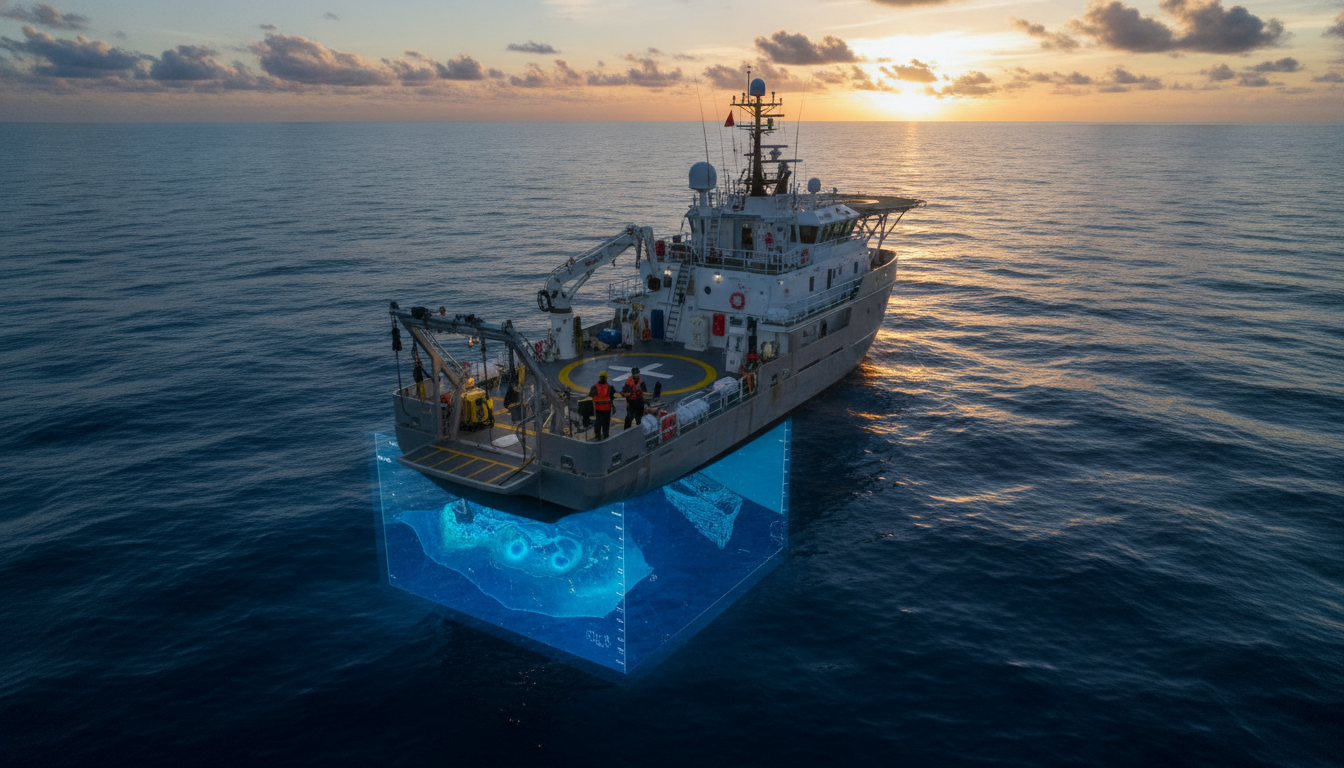
Common Mistakes in Underwater Inspections and How to Avoid Them
Underwater inspections are crucial for maintaining the integrity of marine structures. When conducting these assessments, professionals often encounter several common mistakes that can compromise their findings and effectiveness. Understanding these pitfalls and how to avoid them is essential for anyone involved in marine surveys. This guide will help you identify these errors, improve your inspection processes, and ensure more accurate results.
Table of Contents
- Lack of Preparation
- Inadequate Training
- Neglecting Safety Protocols
- Improper Equipment Use
- Insufficient Documentation
- Poor Communication
1. Lack of Preparation
Preparation is key in marine surveys. Many inspectors fail to adequately plan their inspections, leading to unforeseen issues. A lack of preparation can result in inefficient use of time and resources, ultimately affecting the quality of the inspection.
Identifying Essential Components
Before beginning an underwater inspection, it’s crucial to identify all essential components. This includes understanding the specific areas to be surveyed and the objectives of the inspection. For example, ensure you have a checklist that includes items like structural elements, biofouling, and potential hazards.
Additionally, familiarize yourself with the marine environment you will be surveying. Each area has unique factors that can impact the inspection process. Proper preparation allows for a more efficient inspection and helps avoid costly mistakes.
Gathering the Right Tools
Having the appropriate tools is vital for successful underwater inspections. Inspectors often overlook essential equipment or bring the wrong tools, which can lead to incomplete assessments. Ensure that you have all necessary tools, such as underwater cameras, sonar equipment, and measuring devices, thoroughly checked and ready to go.
Moreover, verify that all equipment is in good working condition. Regular maintenance of tools can help minimize breakdowns during inspections, ensuring a smooth workflow. Proper planning and preparation are crucial for effective marine surveys.
2. Inadequate Training
In the field of underwater inspections, proper training cannot be overlooked. Many professionals enter the realm of marine surveys without sufficient expertise, leading to various errors. Inadequate training results in insufficient knowledge of both the techniques and tools used during inspections.
Understanding Inspection Techniques
Familiarity with inspection techniques is essential for achieving effective results. Checklists and protocols can serve as valuable resources for inspectors, providing a structured approach. Moreover, consider practical training sessions to enhance your skills and understanding of marine surveys.
Many professionals benefit from certification courses that cover various aspects of underwater inspections. Such training can ensure that inspectors are well-equipped to handle different scenarios they may encounter in the field.
Continuous Learning Opportunities
The marine industry continually evolves, so staying updated with the latest practices is important. Engaging in workshops and webinars can provide valuable insights and enhance your skill set over time. Continual learning also fosters the development of best practices that can prevent common pitfalls in inspections.
By investing in adequate training, professionals can minimize errors and improve the overall quality of marine surveys.
3. Neglecting Safety Protocols
Safety is paramount during underwater inspections. Unfortunately, neglecting safety protocols can lead to serious accidents or equipment failure. Many inspectors overlook the importance of following safety guidelines, resulting in risky situations.
Establishing Safety Procedures
Establishing clear safety procedures is essential for any underwater inspection. All team members must understand and comply with safety protocols, including using life jackets and emergency communication devices. Regular safety drills can help reinforce these practices and prepare the team for possible emergencies.
Furthermore, performing risk assessments before each inspection helps identify potential hazards. This proactive approach allows teams to implement necessary precautions, minimizing risks associated with underwater inspections.
Using Safety Equipment
Incorporating safety equipment into your inspections is crucial. Always carry equipment like oxygen tanks, underwater lights, and communication devices, especially in challenging environments. This not only enhances safety but also boosts overall team confidence during inspections.
Regularly check and maintain all safety gear to ensure its effectiveness. By prioritizing safety, marine survey teams can significantly reduce the likelihood of accidents during underwater inspections.
4. Improper Equipment Use
Using the right equipment is essential for accurate inspection results. However, improper use of tools can lead to misleading findings. Many inspectors lack the necessary knowledge or training to operate equipment correctly, negatively impacting their assessments.
Familiarization with Equipment
Understanding how to use inspection equipment correctly is vital. Before starting a survey, familiarize yourself with all tools, including how to operate them and interpret their results. This preparation helps prevent common mistakes associated with equipment misusage.
Additionally, stay updated on any new technology that can enhance marine surveys. Innovations can provide more accurate data and may improve overall efficiency in underwater inspections.
Regular Maintenance Checks
Proper maintenance of inspection equipment can prevent issues during surveys. Regular checks ensure that tools are functioning effectively and decrease the likelihood of malfunctions. Establish a routine for maintaining and testing equipment before heading out for inspections.
Moreover, always remember to troubleshoot problems during inspections. If equipment fails, knowing how to fix it or having a backup plan can save you time and resources.
5. Insufficient Documentation
Clear and thorough documentation is crucial in marine surveys. Insufficient documentation can lead to a lack of transparency and hinder effective analysis. Often, inspectors underestimate the importance of recording their findings accurately.
Creating Comprehensive Reports
Comprehensive reports are fundamental for effective underwater inspections. Ensure that your reports include detailed observations, photographs, and measurements. This thorough documentation supports the analysis and helps clients understand the inspection results.
Additionally, using templates for your documentation can streamline the process. Templates allow for organized information collection that can be easily reviewed and analyzed later.
Utilizing Technology for Documentation
Advancements in technology offer many solutions for effective documentation. Software for managing inspection data can streamline record-keeping and enhance collaboration among team members. Utilizing cloud storage allows easy access to files and facilitates real-time updates.
By prioritizing accurate documentation, you can improve the quality of your marine surveys significantly.
6. Poor Communication
Communication plays a critical role during underwater inspections. Poor communication can result in misunderstandings and errors in survey data. Team members must communicate effectively to ensure all procedures are followed correctly during marine surveys.
Establishing Clear Communication Protocols
Establishing clear communication protocols is vital for success. Ensure that all team members understand their roles and responsibilities during inspections. Regular briefings help clarify objectives, enabling everyone to be on the same page.
Additionally, conducting debriefings after inspections allows for valuable feedback and team reflection. This continuous communication cycle fosters improvement, minimizing errors in future inspections.
Utilizing Communication Tools
Utilizing effective communication tools can further improve coordination among team members. Radios and communication apps can facilitate real-time discussions, ensuring all inspectors are informed of any issues or changes during the survey.
Incorporating these tools enhances the ability to address problems promptly, leading to more effective and safer marine surveys.
FAQ
What are the typical mistakes made in underwater inspections?
Common mistakes include lack of preparation, inadequate training, neglecting safety protocols, improper equipment use, insufficient documentation, and poor communication.
How can I improve my underwater inspection skills?
To improve your skills, focus on adequate training, utilize technology, and prioritize thorough documentation. Regularly engage in workshops and practical sessions.
What safety protocols should marine inspectors follow?
Marine inspectors should establish safety procedures, perform risk assessments, and use appropriate safety equipment. Regular safety drills are also crucial.
Is documentation important in underwater inspections?
Yes, accurate documentation is essential for transparency and effective analysis. Comprehensive reports help to convey findings clearly and support decision-making.
How can technology assist in underwater inspections?
Technology can streamline documentation, enhance communication, and improve data accuracy. Using specific software can make managing inspection data more efficient.
What are the benefits of continuous learning in marine surveys?
Continuous learning helps professionals stay updated with industry practices, enhances skills, and fosters the development of best practices in marine surveys.
Conclusion
Understanding and avoiding common mistakes in underwater inspections is crucial for success in marine surveys. By prioritizing preparation, training, safety, equipment use, documentation, and communication, professionals can enhance their skills and improve their inspection outcomes. Implementing these strategies will lead to more reliable results in the aquatic environment.