
Emergency Repairs: When to Call a Professional
Owning a boat is an exhilarating venture that offers immense joy and freedom on the water. However, emergencies can arise, demanding immediate attention. Understanding when to seek professional help for boat repairs can save you time, stress, and potentially your vessel itself. In this comprehensive guide, we’ll dive into the critical indicators that signal the need for professional boat repair services, helping you make informed decisions.
Understanding the Basics of Boat Repairs
The Importance of Regular Maintenance
Regular maintenance is crucial for any boat owner. It ensures the longevity and performance of your vessel. Issues like worn-out components or untreated corrosion can lead to catastrophic failures if left unaddressed. Conducting routine inspections helps identify these potential problems early, allowing for timely repairs before they escalate into emergencies. Emphasizing preventive care can significantly reduce the likelihood of costly repairs down the line.
Furthermore, routine maintenance can boost your boat’s resale value. A well-maintained boat demonstrates your commitment to care, making it more attractive to potential buyers. Regular checks, including engine servicing and hull inspections, can reveal underlying issues that might otherwise go unnoticed. Being proactive can preserve your investment and enhance your boating experience.
Lastly, maintaining awareness of the critical components of your vessel allows you to recognize when something isn’t right. Understanding your boat’s systems, including electrical, mechanical, and hull integrity, can help you detect signs of wear or malfunction early. Thus, routine maintenance is foundational to a boat’s reliability and safety.
Common Types of Boat Repairs
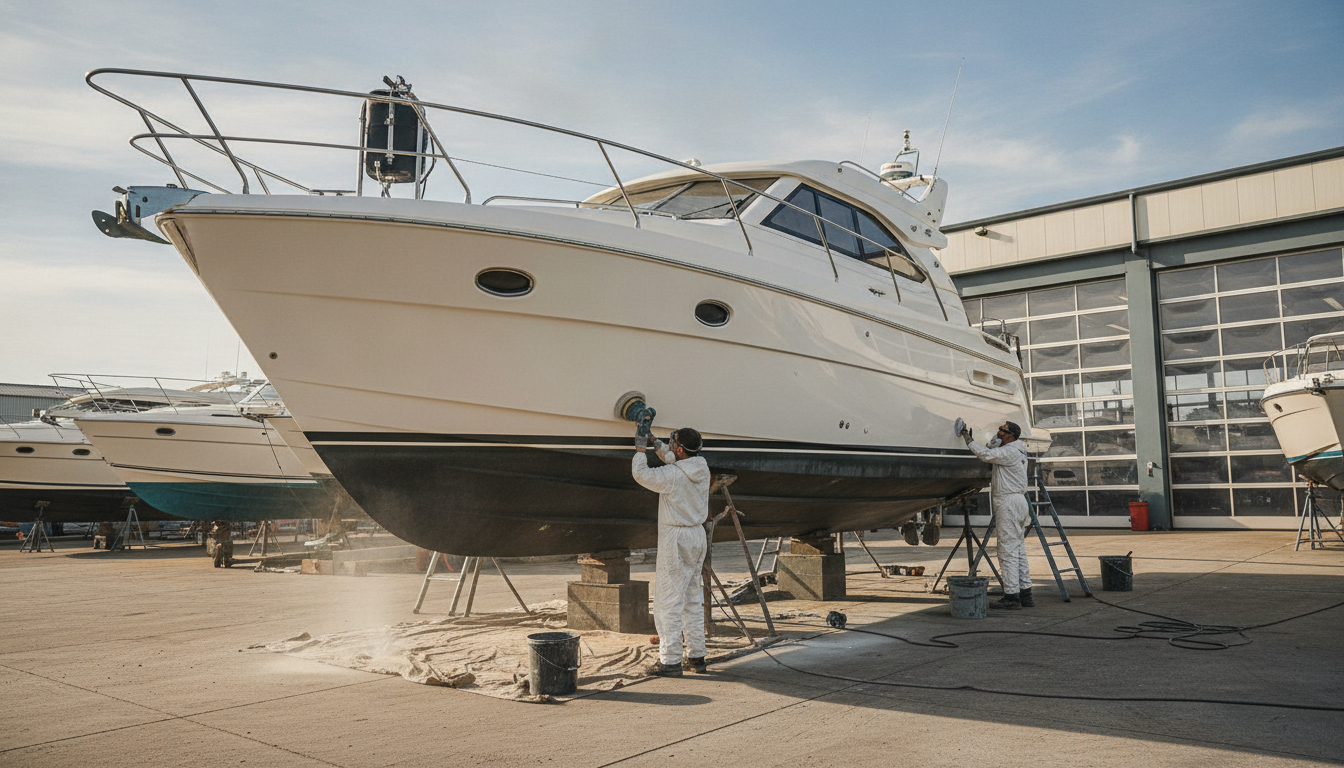
Boat repairs can range from minor fixes to extensive overhauls. Typical emergency repairs often include engine failures, electrical system malfunctions, and hull damage. Engine failures can be caused by various factors, including fuel issues and overheating. Recognizing the signs of a failing engine early can prevent complete breakdowns, allowing you to seek professional help promptly.
Electrical problems are another frequent source of emergencies. Issues may manifest as flickering lights, dead batteries, or faulty navigation systems. Addressing electrical failures can require specialized knowledge; thus, knowing when to consult a professional is critical. Hull damage, whether through accidents or marine growth, can compromise your boat’s safety. Identifying such damage and addressing it immediately is crucial to maintaining your boat’s seaworthiness.
In some instances, minor repairs might be manageable for an experienced DIY enthusiast; however, safety is paramount. If you’re unsure or if the issue seems extensive, calling a professional is the best course of action. Choosing the right time to seek help can prevent minor issues from spiraling out of control.
Recognizing Signs of Emergency
Visible Damage
One of the most straightforward indicators that you need professional boat repair services is visible damage. This could be anything from cracks in the hull, broken components, or signs of leaks. Cracks can introduce water into the vessel, posing significant risks, especially if they evolve into larger breaches. Even minor-looking cracks should not be dismissed; they can propagate over time. If you notice any such damage, it’s essential to contact a professional.
Moreover, broken components such as propellers, rudders, or even damaged lines can drastically affect how your boat performs. If you experience issues controlling your boat—whether due to steering problems or propulsion failure—it’s vital to seek help immediately. These situations can lead to dangerous scenarios, especially in crowded waters or adverse weather conditions.
Leaks present another urgent signal. Even slow leaks can lead to significant problems if not addressed promptly. Water entering your vessel can cause damage to onboard equipment and potentially lead to capsizing. Keeping an eye on bilge water levels and checking for unusual amounts can help you catch leaks before they become emergencies.
Unusual Sounds and Smells
Boats communicate through various sounds and smells. When something is off, your senses will usually be the first to alert you. An unusual noise from the engine or any other system may indicate an underlying problem. It might range from grinding noises to rattling sounds that suggest wear or damage. Understanding your boat’s typical sounds can help distinguish between normal operational noises and those that require immediate attention.
Additionally, strange odors can also signify trouble. A burning smell may indicate electrical shorts or overheated components, while a fishy or musty odor could suggest fuel leaks or mold issues. Both scenarios demand immediate professional assessment. Following your nose can potentially save your boat from further damage or total failure.
When you encounter unusual sounds or smells, do not hesitate to take action. Describe the issue as accurately as possible when contacting a professional; this information can help them prepare the necessary tools and parts for a swift diagnosis and repair.
When to Attempt DIY Repairs
Assessing Your Skills and Tools
For some boat owners, performing repairs can be a fulfilling endeavor. However, before diving into DIY repairs, it’s vital to analyze your skills and available tools. If you have a thorough understanding of your boat’s mechanics and systems, you may be equipped to handle minor repairs. Simple tasks like changing a light bulb, replacing a battery, or even adjusting your boat’s trim tabs might be manageable without professional assistance.
Investing in the right tools is essential if you opt for DIY repairs. Having a reliable toolkit that includes wrenches, screwdrivers, and diagnostic tools can make simple jobs more manageable. However, if the required repairs demand specialized tools or knowledge, it’s commonly best to call in a professional. Admitting your limitations can prevent aggravating a problem and help maintain your boat’s integrity.
Moreover, if the complexity of the repair requires technical manuals or advanced knowledge, opting for professional help ensures the job is done correctly. Having a skilled technician can often be more economical in the long run since their expertise can prevent further issues from arising due to improper repairs.
Minor Repairs vs. Major Problems
When determining whether to attempt repairs on your own, consider the difference between minor repairs and major problems. Minor repairs such as adjusting cleats or sealing minor leaks may be suitable for DIY work. However, as the complexity of the problem increases, so does the need for professional intervention. Major issues such as engine overhauls, electrical system fixes, or hull repairs should always be addressed by qualified personnel.
In some cases, performing minor repairs can be therapeutic and a rewarding experience, providing you with a greater understanding of your vessel. However, it’s crucial to recognize when your time and effort could be better spent on enjoying the water rather than wrestling with problematic systems. Ultimately, determining the nature of the repair and whether it necessitates a professional’s expertise can save you significant time and stress.
The Benefits of Hiring Professionals
Expertise and Experience
One of the primary advantages of hiring professional boat repair services is their expertise and experience. Technicians in marine repair possess extensive knowledge of different boat systems and issues because they encounter a variety of scenarios routinely. Their seasoned perspectives allow them to identify problems quicker and propose effective solutions, often saving you time and hassle.
Moreover, professional technicians keep up with the latest advancements in marine technology. As boats evolve, so do the systems and materials used in their construction. Professionals are trained to handle everything from traditional mechanical systems to modern digital interfaces, ensuring that repairs maintain compliance with current standards.
Additionally, hiring experts allows you access to better tools and parts. Professionals often have access to specialized tools that most boat owners wouldn’t have or need. Utilizing the right equipment not only speeds up the repair process but also increases the likelihood of a successful and durable repair.
Safety and Compliance
Safety is paramount when dealing with boat repairs. Professionals are trained to identify and mitigate risks during repairs, ensuring the safety of your vessel and everyone on board. Forgetting or overlooking safety protocols can lead to dangerous situations. Relying on professionals can provide peace of mind, knowing that your boat is being handled by individuals who prioritize safety.
Moreover, compliance with local laws and regulations is critical in the maritime industry. Hiring a professional ensures that your repairs meet necessary legal standards, keeping you safe from legal repercussions. Many regions require specific certifications for marine repairs; professionals usually carry these credentials, which protects not only your investment but also your reputation as a boat owner.
In summary, the safety and compliance aspects of hiring professionals cannot be overstated. Ensuring that all work meets regulations safeguards you from penalties and enhances the overall trustworthiness of your vessel.
How to Choose the Right Repair Service
Researching and Comparing Services
Choosing the right boat repair service can feel overwhelming, but thorough research can simplify the decision. Begin by gathering recommendations from fellow boaters or checking online forums. Personal anecdotes can provide insight into local services’ reliability and effectiveness. Additionally, browsing online reviews can illuminate both positive and negative experiences, helping you draw a more comprehensive picture of potential providers.
It’s also beneficial to compare various service options. Consider their specialties—some repair services may excel in engine work, while others may focus on electrical systems. Knowing what you need can help narrow your search. Once you’ve narrowed the field, contact each candidate for quotes and availability. Gathering estimates can help you make a financially sound decision.
Furthermore, ask about warranties on repairs and the availability of further support after the repair is completed. A reputable service will often guarantee their work, providing peace of mind and adding value to your investment.
Evaluating Qualifications and Certifications
Once you have a shortlist of candidates, it’s time to evaluate their qualifications and certifications. A reputable repair service should proudly display their credentials. Checking for licenses and certifications ensures that the technicians are qualified to handle any issues you may encounter. Inquire about their experience working with similar boats to ensure they adequately understand your specific needs.
Additionally, a service’s affiliation with professional organizations can signify a commitment to ongoing education and excellence. Many quality repair services engage with industry organizations to stay current with trends and best practices. This engagement often translates to superior customer service and repair quality.
Finally, consider the importance of communication. A reputable repair service should be transparent about their processes and willing to address your questions. Establishing clear communication from the get-go sets the tone for a successful partnership, ensuring you are informed every step of the way.
Frequently Asked Questions
What are the most common emergency repairs needed for boats?
The most common emergency repairs for boats often include engine problems, electrical failures, and hull repairs. These issues can arise unexpectedly and require prompt attention to ensure safety on the water.
How can I prevent emergency repairs on my boat?
Preventive maintenance is key to avoiding emergency repairs. Regular inspections, adhering to service schedules, and timely addressing any small issues can significantly reduce the risk of emergencies.
When should I choose DIY repairs over professional services?
Choose DIY repairs for minor issues that you can confidently handle. For complex problems or if you lack the necessary skills and tools, it’s best to call a professional to ensure safety and prevent further damage.
How can I ensure the repair service I choose is reliable?
Researching and comparing different services is crucial. Look for customer reviews, ask for recommendations, and evaluate their qualifications to ensure you select a reliable repair service.
Conclusion
Understanding when to call professional boat repair services can make a significant difference in maintaining your vessel’s safety and functionality. Recognizing the signs of emergencies, assessing the viability of DIY repairs, and knowing how to choose the right service are all essential skills for any boat owner. Remember, while it may be tempting to handle repairs on your own, some situations call for professional expertise. Prioritizing safety and professionalism will ensure many enjoyable days on the water for years to come.