
Essential Boat Cleaning Tips for the Off-Season
As the boating season winds down and the cold winds begin to pick up, it’s crucial for boat owners to prioritize the maintenance and cleaning of their vessels during the off-season. Proper off-season care not only enhances the aesthetic appeal of your boat but also extends its lifespan significantly. This guide provides essential tips on effectively cleaning your boat when it’s not in use, ensuring it remains in top condition for the next season.
Why Off-Season Cleaning is Crucial
Understanding the Benefits
Off-season cleaning is an often-overlooked aspect of boat maintenance that can greatly influence a boat’s longevity. When boats are left dirty, it leads to a buildup of mold, mildew, and other corrosive elements due to moisture and debris. Cleaning your vessel helps prevent deterioration and keeps it looking sharp. Not only does this regular upkeep save you money in costly repairs down the line, it also ensures your boat remains safe and operational.
Moreover, off-season cleaning allows you to inspect the boat for any damages or wear and tear that might have gone unnoticed during the busy season. Taking proactive measures during this period helps streamline the preparation process for the next boating season.
For many boat owners, the appearance of their vessel holds significant value. A well-maintained boat not only provides a more enjoyable experience but can also enhance its resale value. Whether you plan to keep the boat for years or eventually sell it, prioritizing cleanliness pays dividends.
Common Issues Faced During Off-Season
One of the most common issues boat owners face during the off-season is the buildup of grime, algae, and salt deposits. These contaminants can cause permanent damage if left untreated. Boats stored outdoors may also be susceptible to animal nests, which can cause blockages and other mechanical issues. Additionally, without proper cleaning, the interior can often become a breeding ground for pests.
Another significant concern during this season is the risk of damage due to freezing temperatures. Water left in the boat’s systems can expand and lead to cracks. Clean and dry systems lessen the risk of expensive repairs from freeze damage.
Recognizing these challenges allows boat owners to tailor their cleaning efforts effectively. With an understanding of potential threats, you can plan preventative measures that will keep your boat in prime condition throughout the off-season.
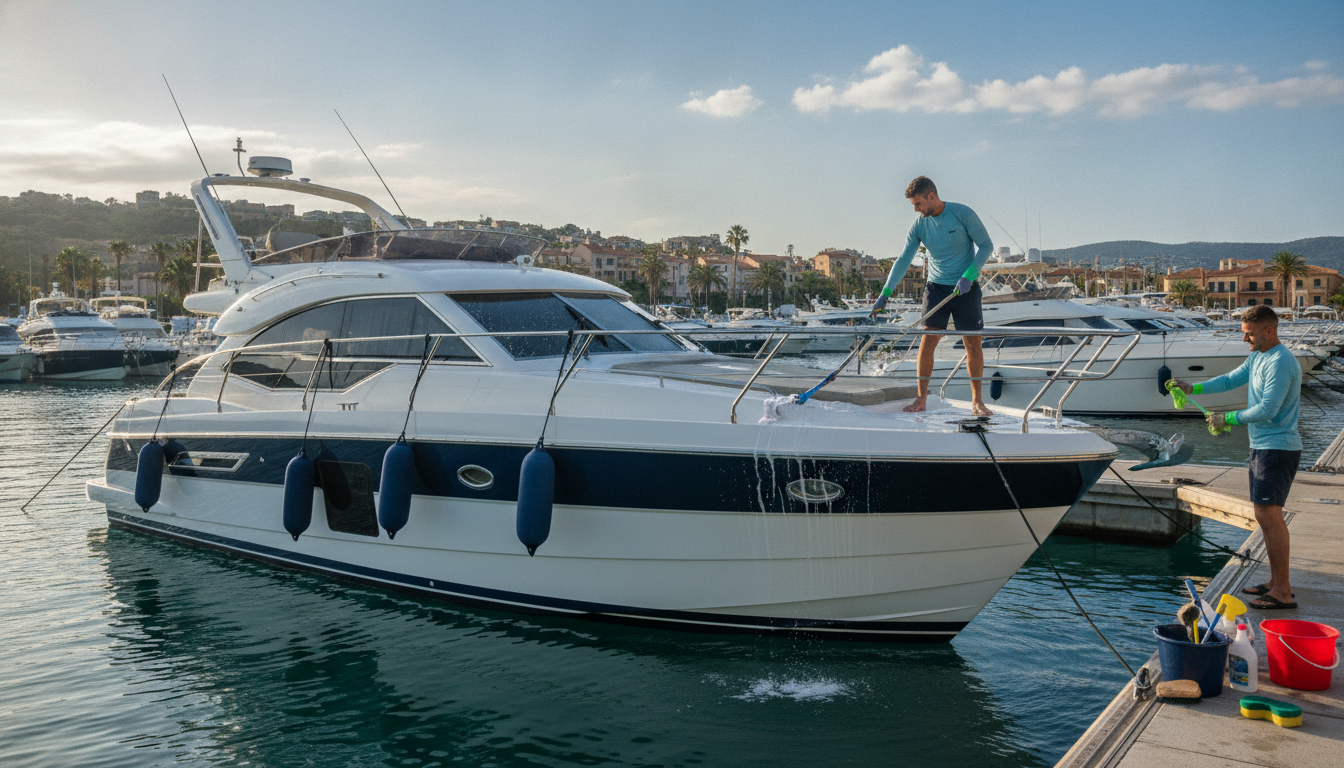
Gathering the Right Supplies
Essential Cleaning Products
A successful boat cleaning session begins with gathering the appropriate supplies. High-quality marine grade cleaners are essential to effectively remove grime without damaging the boat’s surfaces. Look for non-toxic and environmentally-friendly products that cater specifically to marine applications. Standard household cleaners may contain chemicals that can harm the finishes and materials used in boats.
In addition to cleaners, consider having a selection of brushes, sponges, and cloths on hand. Soft brushes are ideal for delicate surfaces, while sturdier options can tackle tough builds of dirt without scratching. Additionally, using microfiber cloths ensures that you don’t leave lint or scratches behind.
Lastly, don’t forget about protective gear like gloves and goggles. Some cleaning agents can be harsh on the skin and eyes. Having protective gear ensures a safer cleaning experience while using these products.
Optimal Cleaning Tools
Different boats might require specific tools tailored to their materials and structure. For example, a fiberglass boat may benefit from a buffer to maintain a sleek finish, whereas an aluminum-hulled vessel could require unique polishes designed for metal surfaces. Assess the needs of your boat and invest in the right tools to handle each area of your boat appropriately.
Consider using a power washer, but be cautious. While they can expedite the cleaning process, too much pressure might damage delicate components or finishes. Always set the washer to a gentle setting and maintain the recommended distance from the surface.
For cleaning tight spaces, a vacuum with attachments is incredibly valuable for reaching corners and removing debris and dust often accumulated in hidden areas. This step is crucial as it can often prevent pest infestations.
Steps for Exterior Boat Cleaning
Washing the Hull
To clean the hull effectively, start from the top and work your way down. This method prevents dirt from dripping onto already cleaned areas. Use marine-grade soap mixed with water, applying it with a soft-bristle brush for optimal scrubbing without causing scratches.
Scrubbing in sections allows for thorough cleaning while preventing the soap from drying out. Rinse after every section to avoid water spots. Depending on the condition of your boat, multiple washings may be necessary to get rid of stubborn stains or algae.
Pay special attention to the waterline, as this area tends to accumulate the most dirt and scum. A dedicated cleaner for tough stains can be beneficial here. After cleaning, consider applying a protective wax coating to enhance shine and provide an additional layer of protection.
Caring for Fittings and Hardware
The fittings and hardware of your boat, such as cleats, winches, and handrails, require special attention. Saltwater can corrode these components if not cleaned properly. Rinse all metal parts with freshwater after washing the hull and apply a protectant designed for marine applications to safeguard against rust and corrosion.
For non-metal components, ensure you clean them gently to avoid scratching. A vinegar solution can help eliminate any water spots or minor stains. Regular attention to these areas during the off-season helps ensure everything remains in working condition for your next adventure.
Steps for Interior Boat Cleaning
Thoroughly Cleaning the Cabin
Begin cleaning the cabin by removing all items from cabinets, drawers, and storage areas. This allows you to access every area and assess for any spills, smells, or damage to the surfaces. Utilize a vacuum for carpets and upholstery to eliminate dirt and debris.
For hard surfaces, use a combination of marine-friendly cleaner and a soft cloth to wipe down tables, counters, and cabinets. For tougher stains, consider using a designated marine cleaner that addresses mold and mildew effectively.
Don’t forget to inspect areas that might be vulnerable to leaks or condensation. Look under sinks and around windows, ensuring everything is clean and dry to prevent any long-term issues.
Maintaining Upholstery and Fabrics
Boat upholstery can suffer without proper care, especially when exposed to the elements. To clean these surfaces, use a gentle cleaning solution designed for fabrics. A soft-bristle brush can help lift dirt from the fibers without causing damage.
In addition to cleaning, inspecting for any tears or damage is essential. If you notice any, take the time to repair them before they worsen. This proactive approach saves costs down the line and ensures a more pleasant experience during the boating season.
Finally, consider applying a fabric protector to resist stains and fading due to UV exposure. Maintaining upholstery also directly influences the comfort and aesthetic of your boating experience.
Preventive Measures for the Off-Season
Securing Your Boat
During the off-season, secure your boat to prevent potential damage from weather elements or wildlife. If possible, store your boat in a dry, sheltered area. If outdoor storage is your only option, consider using a quality boat cover specifically designed to protect against rain, snow, and UV rays.
Ensure that any openings are sealed, including hatches and ports, to minimize the risk of water ingress. The sealants may need periodic replacement or touch-ups to remain effective.
Another valuable preventive measure is to remove any perishables from the boat, including food or anything that could attract pests. Regularly check your boat’s interior during the off-season to secure against any problems early.
Regular Inspections
One of the best strategies for maintaining your boat during the off-season is to perform regular inspections. These can be monthly or quarterly, depending on the duration of the storage period. Checking on your boat allows you to catch problems early, potentially saving significant repair costs later.
Inspect all hoses, electrical systems, and the engine compartment as well. If you notice any signs of moisture buildup or pest infestation, tackle them immediately. Regular inspections can help you maintain a safe and clean environment for your future boating adventures.
FAQs about Boat Cleaning Services
What are the best products for cleaning my boat?
The best cleaning products for boats typically include marine-grade cleaners that are biodegradable and non-toxic. These products are specifically designed to tackle the tough grime that often builds up on boats without causing harm to the vessel or the environment.
Look for specialized cleaners that cater to your boat’s particular needs, such as fiberglass, metal, or canvas surfaces. Additionally, soft sponges and brushes should be used to protect surfaces while cleaning.
How often should I clean my boat during the off-season?
Cleaning frequency may depend on your specific storage conditions. However, it’s generally recommended to perform a thorough cleaning at least once at the end of the boating season, followed by monthly checks during storage. Regular inspections will help in catching dirt or damage before it leads to larger issues.
Keeping the boat clean throughout the winter also helps ensure a smoother boat preparation process once the season starts again.
Conclusion
Taking the time to deeply clean your boat during the off-season is critical in maintaining its appearance and functionality. Implementing the essential tips provided here can prevent long-term damage while keeping your vessel ready for the next boating adventures. Remember that regular maintenance not only enhances performance but also increases its resale value. By treating your boat with care and attention during the off-season, you set yourself up for countless enjoyable moments on the water come spring.