
Exploring Modern Marine Electronics and Their Benefits
In the age of advancing technology, marine electronics play a crucial role in enhancing the efficiency and safety of sea voyages. From navigation systems to communication devices, modern marine electronics have transformed how vessels operate. This article delves into the various types of marine electronics, their benefits, and their applications in the maritime world.
Table of Contents
- Navigation Systems
- Communication Devices
- Safety Equipment
- Monitoring Systems
- Integration of Systems
- Future of Marine Electronics
Navigation Systems
Importance of GPS Technology
Global Positioning System (GPS) technology has revolutionized navigation for marine vessels. With precise location tracking, mariners can avoid hazards, streamline routes, and save fuel. An example of GPS innovation is the Automatic Identification System (AIS), which allows vessels to be tracked and displayed on electronic charts. This not only aids navigation but also enhances safety by reducing the likelihood of collisions at sea.
Furthermore, modern GPS receivers offer differential corrections, which enhance accuracy significantly. Mariners can obtain real-time updates about their position, allowing for versatility in navigational planning. The integration of GPS technology with electronic chart systems also simplifies the navigation process, allowing for straightforward monitoring of routes.
Maritime professionals now rely heavily on GPS for everything from recreational boating to commercial shipping. The ability to monitor multiple vessels in real-time using sophisticated software assures that all vessels are safe while navigating busy waters.
Chartplotters and Their Functions
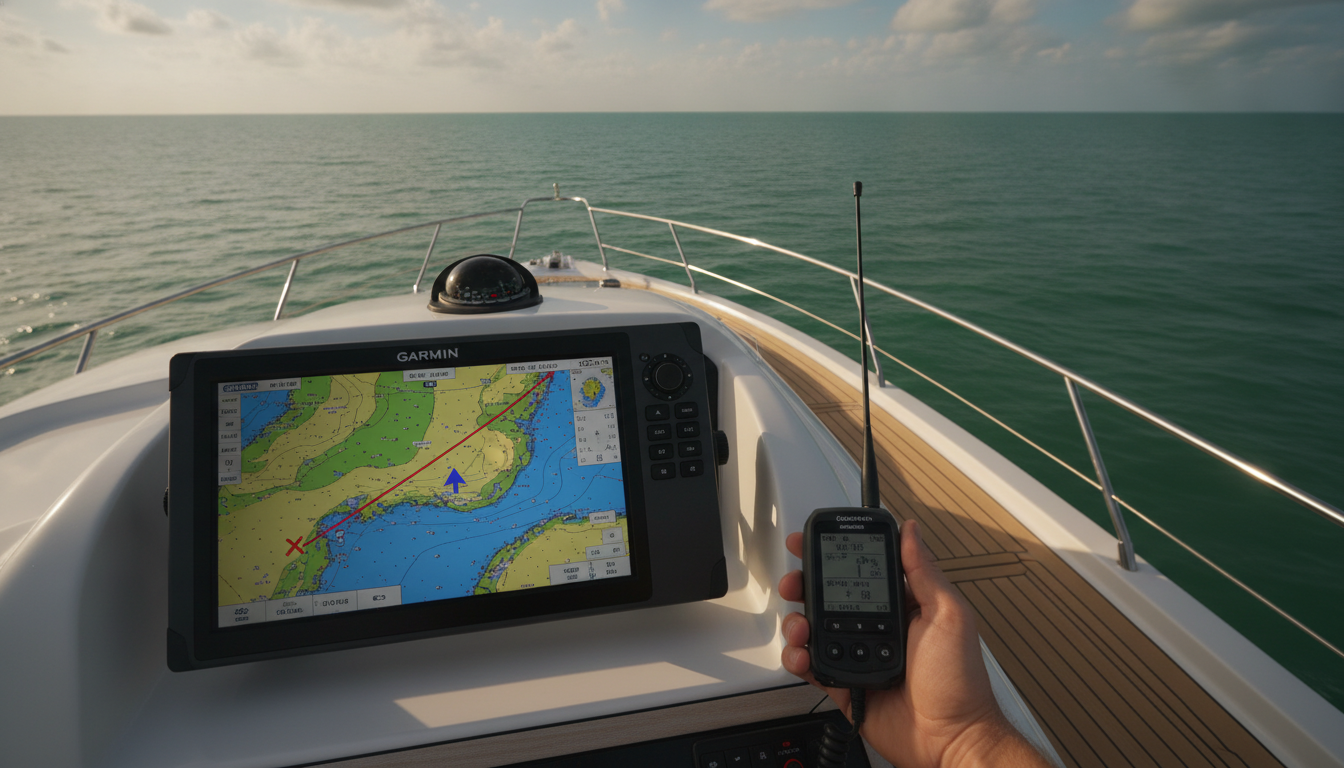
Chartplotters serve as a digital combination of traditional nautical charts and GPS technology, offering a visual representation of a vessel’s navigation. They allow users to plot courses, view surrounding topography, and identify potential hazards like shallow waters or submerged reefs. For instance, a recreational sailor using a chartplotter can quickly plot a safe route to a destination while avoiding dangerous areas.
Modern chartplotters come equipped with high-resolution displays and user-friendly interfaces. They often integrate with radar systems to provide real-time data on the surrounding environment, enhancing situational awareness on the water. Such systems also frequently include connectivity to weather data, ensuring sailors can avoid sudden storms or adverse weather conditions.
These devices can also be linked with autopilots, allowing mariners to maintain a course without continual manual input. This automation can lead to increased efficiency and reduced stress on long voyages, making navigation smoother and allowing for better focus on other important aspects of maritime operation.
Communication Devices
VHF Radios and Their Functionality
VHF (Very High Frequency) radios remain one of the most essential communication tools for vessels at sea. They allow for instant communication with other vessels and shore stations, proving crucial in emergencies or during routine operations. VHF radios can relay distress signals that can significantly improve response times in critical situations.
In addition to standard communication, many VHF radios come with built-in Digital Selective Calling (DSC), which enables vessels to send automated distress alerts. This feature is particularly valuable in emergencies when immediate assistance is needed. The operator can simply push a button to send a distress signal, which will alert nearby vessels and maritime authorities, streamlining rescue operations.
Furthermore, modern VHF radios are designed to be robust and water-resistant, ensuring they function in the harsh marine environment. Their reliability and effectiveness make them invaluable for any vessel, whether it’s a small yacht or a large cargo ship.
Satcom Technology
Satellite communication (Satcom) technology has opened new horizons for marine communication. Unlike traditional VHF radios, Satcom enables internet connectivity and voice communication far beyond the reach of terrestrial networks. This capability is especially beneficial for commercial vessels operating in remote areas where standard communication may fail.
With Satcom, crews can stay connected with families and business operations even at sea, enhancing morale and improving management efficiency. Additionally, Satcom services provide access to valuable operational data, allowing ship operators to make informed decisions based on real-time information.
Moreover, Satcom provides reliable access to weather charts and navigational updates, which are crucial for the safety of long-haul voyages. Companies like Inmarsat offer high-speed internet solutions that can be deployed on various types of vessels, ensuring that crews are well-equipped to cope with any situations that arise.
Safety Equipment
Emergency Position Indicating Radio Beacons (EPIRBs)
Emergency Position Indicating Radio Beacons, or EPIRBs, are vital safety devices used to aid rescue operations. When activated, EPIRBs emit a distress signal that alerts search and rescue satellites to the vessel’s location. This technology plays a critical role in maritime safety, providing peace of mind for both crews and their families.
Recent advances in EPIRB technology have made them more reliable and easier to use. Modern devices include features such as automatic activation when submerged in water, and some models even come with GPS built-in to provide precise location data to rescuers.
EPIRBs are particularly essential for commercial fishing vessels and those operating in remote regions, where help might be vital to survival. Their effectiveness in emergencies has led to regulations mandating their presence on most commercial vessels, ensuring that crews can receive immediate assistance when required.
Man Overboard Devices
Man Overboard (MOB) devices are designed to detect when a person has fallen overboard. These devices range from wearable technologies that alert crews immediately to systems that can automatically activate alarms. The use of MOB devices minimizes response time, which is crucial in increasing survival chances.
Modern MOB devices often come equipped with GPS technology that tracks the last known position of the individual in the water. This data can be shared with rescue teams for a rapid response. For example, many newer models also integrate with onboard safety systems, providing real-time tracking and telemetry that are invaluable in emergencies.
More robust solutions can send an alert to the bridge of the vessel, indicating the precise location of the person, thus allowing for immediate recovery attempts. The importance of embracing these technologies cannot be understated, especially for recreational boaters and commercial operations alike.
Monitoring Systems
Engine Monitoring Solutions
Engine monitoring systems have evolved significantly in recent years, providing real-time diagnostics that help ensure vessels operate efficiently and effectively. These systems monitor parameters such as temperature, pressure, and RPM, allowing early detection of potential issues before they escalate into serious problems.
For instance, a vessel equipped with a comprehensive engine monitoring system can prevent catastrophic engine failure by signaling when oil pressure drops below safe levels. This proactive approach not only enhances safety but also improves fuel efficiency and reduces costly repairs.
Moreover, many monitoring systems can be integrated with the vessel’s main control systems, allowing for streamlined operation and better data collection. The growing adoption of IoT (Internet of Things) has significantly enhanced monitoring capabilities, providing maritime operators with detailed insights into their vessels’ performance in real time.
Environmental Monitoring Technology
Environmental monitoring systems track a vessel’s impact on the marine ecosystem. This technology ensures that crews comply with environmental regulations while minimizing the impact of operations. Such monitors can assess everything from fuel emissions to waste discharge.
For example, many modern vessels utilize ballast water treatment systems that are monitored electronically. These systems ensure that discharged water meets international regulatory standards to prevent the transfer of invasive species between different marine environments. This functionality not only aids compliance but also fosters a commitment to sustainable practices.
Additionally, integrating environmental monitoring systems with performance data allows maritime operations to refine their practices. By analyzing data trends, vessel operators can enhance efficiency and reduce their environmental footprint, which is increasingly vital in today’s regulatory landscape.
Integration of Systems
Holistic Operational Systems
The rise of integrated systems in marine electronics bridges various aspects of vessel operation, creating a cohesive and efficient working environment. This integration allows for the synchronization of navigation, communication, safety, and monitoring systems, facilitating seamless operation on board.
One example of this is the integration of navigation and engine management systems, which optimizes route planning based on fuel efficiency and engine performance. Such comprehensive solutions enable operators to track not only their position but also the performance impact of navigation choices, leading to more strategic decision-making.
Moreover, integrated systems can enhance crew efficiency by reducing redundancy in tasks. For example, a unified display can show navigation, engine data, and communication in one view, preventing the need for multiple interfaces and streamlining operations on the bridge.
Future of Integrated Systems
As technology continues to develop, the future of integrated marine electronics looks promising. Innovations like artificial intelligence and machine learning are set to play significant roles in enhancing operational efficiency further. These technologies will enable predictive analytics, allowing vessels to optimize routes, maintenance schedules, and operational performance based on historical data.
Future systems will likely include improved connectivity options, such as 5G, which will augment real-time data transmission capabilities. This enhanced connectivity will support the implementation of advanced safety features and superior navigational aids.
The continued evolution of marine electronics paves the way for more sustainable operations. With eco-friendly technologies and efficient resource management becoming paramount, the integration of advanced systems will foster a proactive approach to mitigating environmental impacts in the maritime sector.
Future of Marine Electronics
Trends Shaping the Marine Electronics Industry
The marine electronics industry is continuously evolving, driven by trends such as automation, environmental awareness, and enhanced passenger experiences. Automation is leading the charge in increasing efficiency and safety at sea, with many vessels adopting autonomous systems that can manage navigation and operational tasks with minimal human oversight.
Environmental consciousness drives the demand for sustainable technologies in marine electronics. Manufacturers are developing eco-friendly communication and energy solutions, ensuring vessels meet sustainability standards while navigating the seas.
Moreover, passenger and crew experiences are being transformed through enhanced connectivity and entertainment systems. Advanced systems are enabling seamless internet access and communication onboard, elevating user satisfaction while creating a more engaging maritime experience.
Innovations on the Horizon
As we look to the future, notable innovations lie ahead for marine electronics, including advanced sensor technologies that will enhance navigational precision and safety. These sensors will play a crucial role in the implementation of smart shipping, which includes technologies like automated vessels and smart port systems.
Furthermore, the proliferation of real-time data analytics will revolutionize how vessels operate, leveraging big data for everything from predictive maintenance to optimizing routes based on weather patterns. These performance enhancements will translate to better environmental stewardship and economic viability for shipping enterprises.
In summary, as technological advancements continue to permeate the marine electronics landscape, the maritime industry must stay abreast of these changes to maximize the benefits they offer. Embracing innovation will not only improve operational effectiveness but also contribute positively to the sustainability of marine practices.
Frequently Asked Questions (FAQ)
What are the key components of marine electronics?
The key components of marine electronics include navigation systems like GPS and chartplotters, communication devices such as VHF radios and Satcom, safety equipment like EPIRBs and MOB devices, and monitoring systems for engines and environmental impacts.
How can marine electronics improve safety at sea?
Marine electronics improve safety at sea through advanced communication systems that enable distress signals, navigation aids that minimize collision risks, and monitoring devices that provide real-time data on vessel performance and environmental impacts.
Are there regulations governing marine electronics?
Yes, there are various regulations governing marine electronics to ensure safety and environmental compliance. These include international standards for communication devices and safety equipment mandated by organizations like the International Maritime Organization (IMO).
What is the future of marine electronics?
The future of marine electronics is promising, with trends pointing towards greater automation, enhanced connectivity, and the adoption of green technologies aimed at sustainability and operational efficiency.
How do integrated systems enhance vessel operation?
Integrated systems enhance vessel operation by synchronizing navigation, communication, and monitoring tasks across a centralized interface, allowing for improved efficiency, reduced response times, and more informed decision-making.