How Underwater Inspections Can Save Your Vessel Money
Underwater inspections are a vital yet often overlooked aspect of marine maintenance that can lead to significant cost savings for vessel owners. Conducting regular inspections beneath the surface not only helps in early detection of potential issues but also aids in maintaining the overall integrity and efficiency of the vessel. In this blog post, we will explore the various ways underwater inspections can benefit your marine operations, detailing their economic advantages and practical applications.
Table of Contents
- Benefits of Underwater Inspections
- Detecting Potential Issues Early
- Cost Savings Through Preventive Maintenance
- Improving Vessel Performance
- Case Studies and Real-World Examples
- Frequently Asked Questions
Benefits of Underwater Inspections
Enhancing Safety and Compliance
Ensuring vessel safety is paramount in marine operations. Underwater inspections are essential for uncovering safety hazards that can compromise crew safety and violate marine regulations. These inspections help in identifying damaged hulls, corrosive elements, and degraded components that could pose serious risks. Regular checks not only adhere to international maritime safety standards but also enable vessel owners to address issues proactively before they escalate into hazardous situations.
By enhancing safety compliance through diligent underwater inspections, vessel owners reduce the risk of accidents that can lead to costly penalties, legal issues, and insurance hikes. Investing in underwater inspections serves as a preventive strategy, aligning with the broader maritime goal of ensuring seamless operation and crew welfare on the high seas.
Additionally, maintaining safety standards promotes a solid reputation among clients and partners. A vessel known for maintaining high safety compliance will naturally attract more business opportunities, reinforcing the financial justification for regular underwater inspections.
Increasing Vessel Longevity
Regular underwater inspections directly contribute to extending the lifespan of a vessel. By identifying issues before they escalate, vessel owners can implement necessary repairs, avoiding more significant damages that require expensive, extensive work. For instance, hull maintenance is crucial, as marine organisms and sediment buildup can lead to barnacle growth and corrosion if left unaddressed. Timely maintenance helps in mitigating these risks.
Furthermore, proactive inspections can ensure that parts such as propellers and rudders remain in optimal condition, significantly enhancing the overall functionality of the vessel. This longevity contributes to a lower total cost of ownership, as the need for major repairs decreases. Over time, the cost savings associated with extending the life of a vessel can be substantial.
Overall, underwater inspections work as an insurance policy for the vessel, promoting longevity while safeguarding the owner’s investment.
Detecting Potential Issues Early
Corrosion and Hull Damage
Corrosion is one of the leading challenges faced by marine vessels, especially those operating in saltwater environments. Underwater inspections allow for the early detection of corrosion and hull damage, enabling timely interventions to repair or replace affected areas. Many vessel owners schedule these inspections regularly, especially before and after significant voyages, to ensure the integrity of their marine asset.
A study conducted by marine surveyors found that vessels that underwent routine underwater inspections experienced significantly fewer incidents of hull breaches due to corrosion. Regular monitoring helps vessel owners stay ahead of potential problems, ensuring the vessel remains seaworthy throughout its operational life.
Furthermore, advanced underwater inspection technologies like remotely operated vehicles (ROVs) facilitate thorough examinations without the need for extensive dry-docking, minimizing operational downtime while maximizing efficiency.
Engine Performance Issues
The performance and efficiency of a vessel’s engine can be heavily influenced by the condition of submerged components. Blocked water intakes, for instance, can restrict cooling flow, leading to engine overheating and eventual failure. Regular underwater inspections can help detect these blockages, allowing for swift cleaning or repairs that enhance engine performance.
Additionally, inspections can reveal issues such as bent propeller shafts or damaged anodes, which can lead to further complications if not addressed. Vessel owners are increasingly recognizing the value of integrating these inspections into their routine maintenance strategy as a proactive measure to maintain peak engine performance.
By ensuring engine efficiency through regular underwater inspections, owners can significantly decrease fuel consumption and associated costs. This translates into lower operational costs and increased profitability, reinforcing the crucial role of inspections in vessel management.
Cost Savings Through Preventive Maintenance
Minimizing Repair Costs
One of the primary economic advantages of underwater inspections is the potential for minimizing repair costs. Identifying issues early, while they are still manageable, can prevent the escalation into more severe breakdowns that require advanced repair techniques and higher expenditure.
For instance, replacing a corroded anode promptly may cost a few hundred dollars. However, failure to do so can result in extensive damage to other components, resulting in repair costs that could exceed thousands of dollars. By employing regular inspections, vessel owners can effectively allocate their budgets towards preventive measures instead of costly fixes.
Marine experts recommend that owners develop an inspection schedule based on operational requirements and environmental factors. Such preventive maintenance strategies can yield significant long-term savings, emphasizing the importance of viewing underwater inspections as an investment rather than an expense.
Insurance Benefits
Many insurance policies for marine vessels include provisions for regular maintenance and inspections, which can directly impact premiums. Insurers may offer discounts to vessel owners who can demonstrate adherence to a strict maintenance regime that includes regular underwater inspections.
By routinely documenting inspection findings and maintenance action taken, owners can potentially reduce their insurance premiums. This symbiotic relationship highlights how proactive underwater inspections can lead to direct financial benefits, rewarding owners who prioritize the upkeep of their vessels.
Economically, the logic is straightforward; minimizing risks through underwater inspections translates to lower costs in both repairs and insurance, reinforcing a comprehensive cost-saving strategy for vessel management.
Improving Vessel Performance
Fuel Efficiency
Underwater inspections significantly impact a vessel’s fuel efficiency. A clean hull free from marine growth results in reduced drag, translating to lower fuel consumption during operations. By investing in regular inspections, ship owners can ensure their vessels run as efficiently as possible, directly affecting their bottom line.
Moreover, studies indicate that even a 10% increase in drag can mean a substantial increase in fuel consumption. Therefore, routine inspections and cleanings can result in significant savings over time, helping businesses maintain competitive pricing in an industry where margins can be tight.
By addressing fouling issues promptly through underwater inspections, shipping companies can enjoy enhanced fuel efficiency, creating a robust business case for their regular conduct.
Operational Reliability
Regular underwater inspections enhance operational reliability by ensuring that all components function as intended without unexpected failures. Knowing the vessel is in good condition provides owners with peace of mind, allowing them to focus on their core operations without distractions related to maintenance issues.
Furthermore, the operational performance of a vessel can greatly influence client satisfaction. A reliable vessel enhances trust with customers, potentially leading to repeat business and referrals. Hence, regular inspections not only improve operational reliability but also have far-reaching implications for business growth and reputation.
Companies that emphasize operational reliability through these inspections often find themselves standing out in a competitive marketplace, where reliability and performance are highly valued traits among clients.
Case Studies and Real-World Examples
Case Study: Large Shipping Corporation
A notable example of the economic benefits of underwater inspections can be observed in a large shipping corporation that began incorporating routine underwater inspections into their maintenance strategy. Within just a year, they noted a 15% reduction in maintenance costs and a significant increase in operational uptime.
The inspections allowed them to identify and rectify issues early, which translated to a reduced frequency of emergency repairs. Furthermore, the corporation established a comprehensive database of inspection findings that informed their future strategies, leading to an informed approach in targeting specific maintenance challenges.
This real-world example represents the transformative nature of underwater inspections, showcasing how proactive maintenance can lead to substantial financial benefits.
Example: Fishing Vessel Operations
In another instance, a small fishing operation adopted regular underwater inspections after experiencing recurrent issues with their fishing nets getting stuck due to unseen underwater obstructions. Post-implementation, the business reported not only reduced downtime but also a marked improvement in catch efficiency, leading to revenue growth.
This emphasizes how even small vessels benefit significantly from underwater inspections, tailoring their operational strategies by aligning them with proactive maintenance practices. Such success stories highlight that the size of the operation does not limit the advantages of underwater inspections.
Frequently Asked Questions
What exactly does an underwater inspection entail?
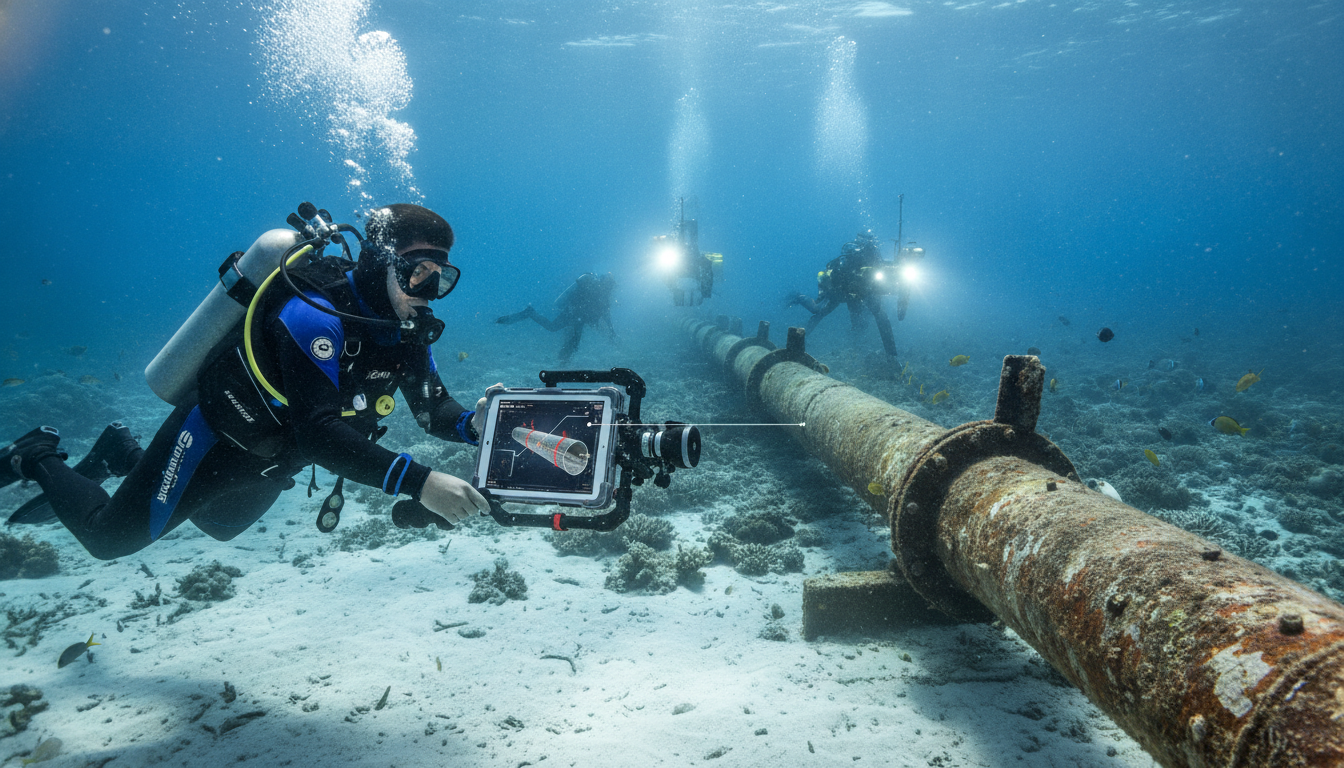
An underwater inspection typically involves assessing the submerged components of a vessel, including the hull, propellers, and other hardware, using specialized equipment and techniques, such as divers, remotely operated vehicles (ROVs), or sonar technology. The goal is to identify potential issues such as corrosion, biofouling, and structural damage.
How often should underwater inspections be performed?
The frequency of underwater inspections can vary based on several factors, including the age of the vessel, the environment in which it operates, and the type of operations it undertakes. Generally, it is advisable to conduct inspections at least once or twice a year, with additional inspections before and after significant voyages or periods of inactivity.
Are underwater inspections necessary for all vessel types?
Yes, underwater inspections are essential for all vessel types, regardless of size or type, including commercial ships, fishing vessels, and recreational boats. They play a critical role in ensuring safety, compliance, and efficiency in marine operations.
What are the costs associated with underwater inspections?
The costs of underwater inspections can vary based on factors such as location, the technology used, and the extent of the inspection needed. However, these costs should be seen as an investment in the vessel’s upkeep, as they can lead to substantial savings by preventing larger repair costs down the line.
Conclusion
In conclusion, underwater inspections are a crucial component of vessel maintenance that can lead to significant cost savings and improved safety in marine operations. From early detection of issues to enhancing performance and operational reliability, the advantages are evident. As the marine industry continues to evolve, integrating regular underwater inspections into maintenance strategies will not only safeguard investments but also ensure that vessels remain competitive in a demanding marketplace.