
The Role of Hull Inspections in Vessel Maintenance
Ensuring the longevity and safety of vessels requires diligent and regular maintenance. Among the myriad of maintenance tasks, hull inspections stand out as a vital process to preserve the integrity of marine vessels. In this article, we will explore the significance of hull inspections within the realm of vessel maintenance, the best practices, and considerations that every marine professional should be aware of.
Understanding Hull Inspections
What is a Hull Inspection?
A hull inspection is a comprehensive evaluation of a vessel’s hull to identify signs of damage, corrosion, or wear. These inspections are crucial not just for performance but also for safety and compliance with maritime regulations. Understanding the scope and depth of these inspections is fundamental for marine operators.
The process often involves visual surveys, ultrasonic testing, and other techniques designed to ensure thorough assessment. Vessel operators should routinely schedule these inspections, as doing so can preemptively address issues that could escalate into major repairs, leading to costly downtime and unsafe conditions.
For example, an inspection might reveal early signs of pitting corrosion along a vessel’s keel, an issue that, if left unchecked, could compromise the hull’s structural integrity. The early detection of such problems underscores the importance of consistent and thorough inspections as part of an overall maintenance strategy.
The Importance of Regular Hull Inspections
Regular hull inspections are integral to safeguarding the structural integrity of vessels. These inspections provide marine professionals insights into the vessel’s health and highlight areas that may require immediate attention. Moreover, they play a crucial role in regulatory compliance.
Marine operators are often mandated by maritime authorities to adhere to specific inspection schedules, depending on the type of vessel and its operation region. For instance, commercial shipping enterprises must follow International Maritime Organization (IMO) guidelines, which stipulate that a detailed hull inspection should be carried out within a certain timeframe. Compliance with these regulations not only ensures safety but also maintains the vessel’s operational license.
A clear example is the shipping industry, where failure to conduct regular hull inspections can lead to significant sanctioning from relevant authorities and potential legal ramifications. This aspect makes regular inspections not just a best practice but a necessity.
Techniques Used in Hull Inspections
Visual Inspection Methods
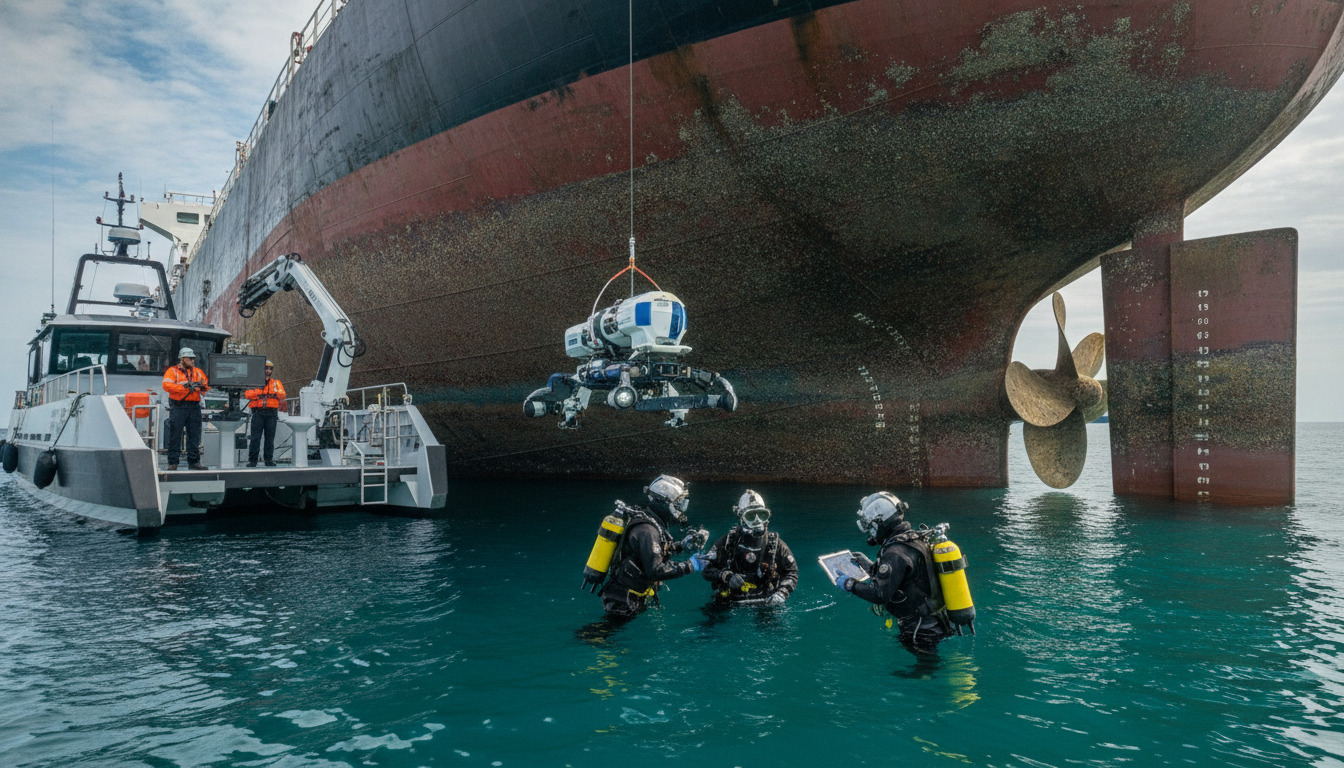
Visual inspections are the most common and straightforward methods of hull examination. They involve a thorough examination of the hull by trained personnel, often utilizing equipment such as mirrors or drones for hard-to-reach areas. This method is critical for detecting obvious issues like cracks, rust, or other visible damages.
Marine professionals often recommend conducting visual inspections as part of a routine checklist before each voyage. This practice ensures that the vessel is free from exterior damages that could lead to more significant problems during operations. For instance, a visual inspection may identify a peeled paint layer causing potential corrosion under the hull.
In more advanced settings, visual inspections can be supplemented by technological tools, allowing for a detailed analysis of the surface condition. Using such technology enhances the accuracy of identifying surface issues, emphasizing the need for well-trained personnel in these inspections.
Ultrasonic Testing as an Inspection Method
Ultrasonic testing is a non-destructive testing method employed in hull inspections to assess metal thickness and detect sub-surface flaws. This technique involves sending high-frequency sound waves through the material and measuring the reflection to determine thickness and integrity.
Ultrasonic testing is particularly beneficial in areas where physical access is limited or unsafe. This advanced approach can detect issues like corrosion that may not be visible to the naked eye. Vessels constructed from metals like steel particularly benefit from this method, as ultrasonic testing can measure structural integrity without causing any damage to the hull.
By employing such advanced techniques, marine professionals can ensure that vessels remain seaworthy and compliant with regulations, ultimately leading to enhanced safety and operational efficiency.
Best Practices for Hull Inspections
Establishing a Routine Inspection Schedule
Setting up a regular inspection schedule is crucial for effective hull maintenance. Depending on the vessel type, regulatory requirements, and operating conditions, this schedule may vary. However, creating a consistent timetable can significantly reduce unforeseen issues.
For instance, a freight vessel operating in challenging conditions may require monthly inspections, while leisure boats may only need quarterly assessments. These schedules should also incorporate seasonal considerations, such as preparing vessels for winter storage or assessing damage after severe weather events.
Developing a maintenance calendar that includes reminders for inspections alongside routine maintenance tasks is beneficial. Aligning these schedules ensures that hull inspections do not become an afterthought but rather a pivotal component of the vessel’s upkeep strategy.
Documenting Inspection Findings
Keeping thorough records of inspection findings is essential for effective hull maintenance management. Documentation not only aids in regulatory compliance but also helps track the history of repairs and inspections, allowing operators to identify recurrent issues.
These records should include details regarding the date of inspection, findings, corrective actions taken, and recommendations for future maintenance. This information can serve as a reference during subsequent inspections and inform maintenance planning.
In industries like commercial shipping, maintaining comprehensive documentation is critical for audits conducted by regulatory bodies. Proper records ensure operational transparency and can protect businesses from potential liabilities associated with unsafe operations.
Challenges in Hull Inspections
Access Limitations
One of the significant challenges faced during hull inspections is access limitations to specific areas of the vessel, particularly in older designs. Spaces may be cramped, or some sections may be underwater, complicating inspection efforts.
These limitations can lead to poor visibility and hinder thorough evaluations. Technologies like drones equipped with cameras are increasingly being deployed to overcome these challenges. These tools can provide detailed visuals of hard-to-reach areas, thus enhancing the capability to identify potential issues without needing extensive manual labor.
Overcoming access limitations is essential for comprehensive inspections, as missed areas can lead to unpredicted failures down the line. For example, if an underwater section is not inspected properly, it could develop severe issues that might not become evident until it is too late, emphasizing the need for sophisticated solutions to surmount these limitations.
Weather and Environmental Factors
Weather conditions can significantly impact the timing and effectiveness of hull inspections. Harsh weather may lead to unsafe surveying conditions, further delaying necessary assessments. Marine professionals must consider local climatic patterns when scheduling inspections, ensuring that assessments are conducted during favorable weather to achieve accurate results.
Additionally, certain environmental factors, such as water salinity and temperature fluctuations, may accelerate corrosion processes, impacting the hull’s lifespan. Operators must be aware of these factors and plan for more frequent inspections if vessels are operating in harsher environments.
By understanding and addressing these environmental challenges, vessel operators can better protect their investments and ensure performance standards are upheld throughout the vessel’s lifecycle.
The Future of Hull Inspections
Advancements in Technology
The future of hull inspections is likely to see significant advancements driven by technology. Innovations in autonomous drones, remote sensing, and artificial intelligence are reshaping the landscape of how inspections are conducted.
New technologies can facilitate quicker inspections by capturing detailed data and analytics, leading to better decision-making. For example, combining visual and ultrasonic technologies can provide a more comprehensive view of the hull’s condition.
As these technologies evolve, they promise to enhance the accuracy and efficiency of hull inspections, enabling vessels to maintain a higher safety standard while optimizing operational time and costs.
Shifting Industry Standards
As regulations around maritime safety evolve, the standards for hull inspections are expected to become more stringent. Industry bodies are continually updating best practices to accommodate new findings in marine safety and technology.
Marine professionals must stay informed about these changes and adapt their inspection practices accordingly. Engaging in continuous education and training regarding upcoming standards will ensure compliance and promote safety.
The emphasis on sustainability and reducing the ecological impact of shipping means that inspecting vessels regularly may include checking for environmental compliance features such as anti-fouling systems. As these paradigms shift, so too will the role of inspections in proactive vessel management.
Conclusion
The role of hull inspections in vessel maintenance cannot be overstated. As the maritime industry continues to forge ahead, the necessity for effective inspections remains a cornerstone of operational integrity and safety. Adopting best practices, leveraging advanced technologies, and complying with evolving standards can help marine professionals conduct thorough inspections that safeguard vessels and their crews. Hull inspection services are not merely a regulatory requirement; they are a fundamental component of responsible vessel management that enhances performance, safety, and longevity.
FAQ
How often should hull inspections be conducted?
The frequency of hull inspections can vary based on regulations and the specific conditions under which the vessel operates. Generally, vessels should undergo inspections at least annually, with more frequent evaluations recommended for those in harsh environments or active commercial use.
What are the main signs that indicate a hull inspection is needed?
Signs that signal a need for hull inspection include visible corrosion, unusual wear patterns, leaks, and changes in the vessel’s buoyancy. If a vessel has been through severe weather conditions, a thorough inspection is also warranted.