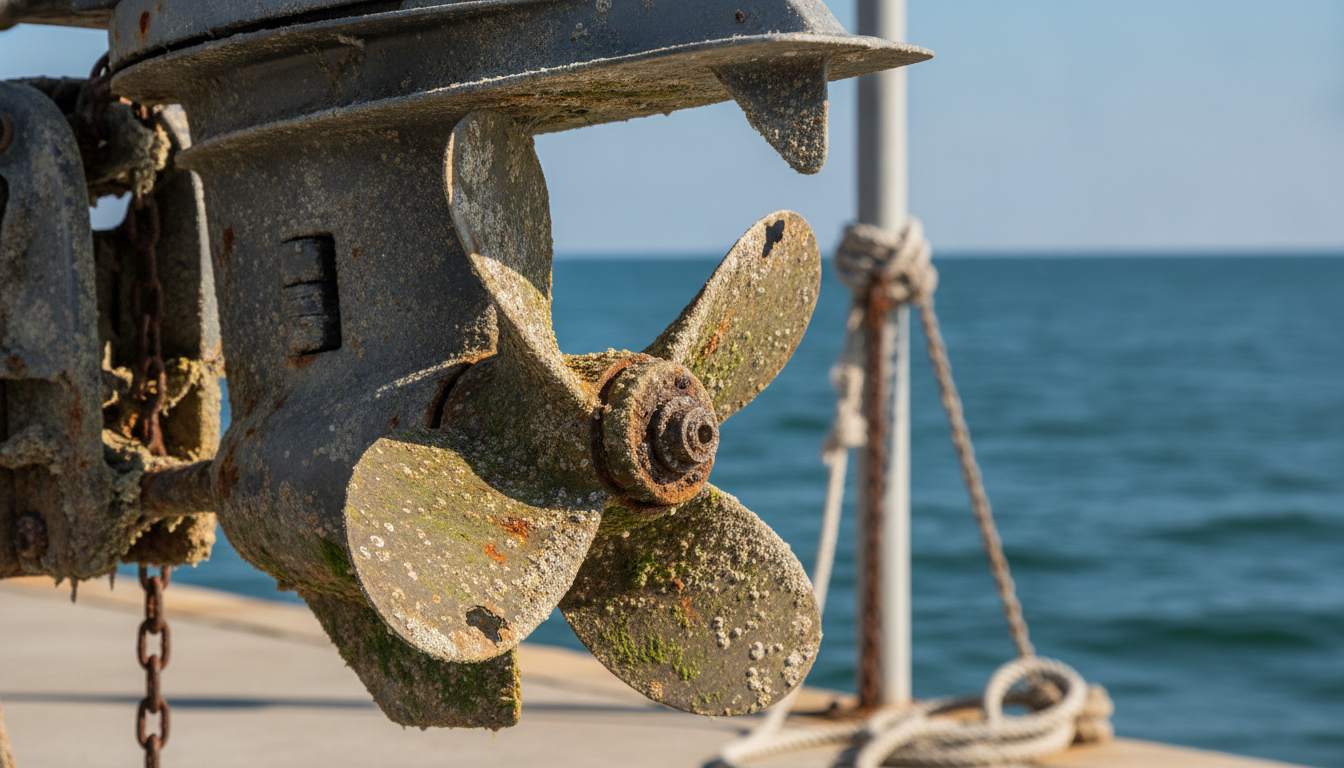
The impact of saltwater on Marine equipment and How to Protect Your Investment
Saltwater can have detrimental effects on marine equipment, leading to costly repairs and maintenance. Understanding how saltwater interacts with different materials is essential for preserving your investments. In this guide, we will explore the various impacts of saltwater, effective protection methods, and best practices for maintaining your marine equipment, ensuring its longevity and reliability.
Understanding the Effects of Saltwater on Marine Equipment
Saltwater corrosion is a significant challenge for boat owners. Knowing how salt interacts with metal and other materials is crucial. Salt can accelerate rusting and deterioration, affecting both the lifespan and functionality of marine gear.
The Corrosive Nature of Saltwater
Saltwater is more corrosive than freshwater due to its higher conductivity. When salt comes into contact with metal, it creates an electrolyte solution that facilitates electrochemical reactions, which lead to corrosion. This process can weaken metal components like engines, propellers, and fittings.
Additionally, saltwater may promote the growth of marine organisms such as barnacles and mussels on submerged equipment. These organisms not only contribute to corrosion but can also hinder performance. Regular cleaning is essential to mitigate these effects.
Impact on Marine Equipment Materials
Different materials react differently to saltwater exposure. Metals without protective coatings are particularly susceptible to corrosion. Stainless steel and aluminum are more resistant, but they are not immune. Plastics and composites can handle salt better but may still degrade over time.
Understanding these material properties can help equipment owners make informed decisions about maintenance. It also sheds light on the importance of using corrosion-resistant materials when investing in new equipment.
Protecting Your Equipment from Saltwater Damage
Prevention is key when it comes to safeguarding your marine equipment from the impact of saltwater. There are practical steps you can take to enhance protection and prolong the life of your gear.
Regular Cleaning and Maintenance
Keeping your equipment clean reduces the buildup of salt and organisms that promote corrosion. After each use, wash the equipment with fresh water, focusing on mechanical parts, hulls, and hardware. Using a soft brush can help remove deposits without damaging surfaces.
In addition to regular cleaning, scheduled maintenance should include inspecting equipment for signs of corrosion. Look for rust spots, pitting, or discoloration, as these can indicate underlying corrosion issues that need to be addressed promptly.
Using Protective Coatings
Applying protective coatings is another effective way to prevent saltwater damage. Anti-corrosion paints and sealants can provide an additional barrier between saltwater and your equipment. These coatings are especially important for metals prone to corrosion.
Consider products specifically designed for marine environments. They often contain additives that enhance resistance to saltwater, UV rays, and extreme weather conditions, ensuring your investment remains protected over time.
Choosing the Right Materials for Marine Equipment
When selecting marine equipment, material choice impacts both performance and longevity. Understanding how various materials hold up against saltwater can guide smart purchasing decisions.
Corrosion-Resistant Metals
Stainless steel is a popular choice for marine hardware due to its durability and resistance to rust. However, not all stainless steel is created equal; options like 316 stainless steel offer better corrosion resistance than 304 stainless steel.
Aluminum is lightweight and resistant to corrosion but requires regular maintenance to avoid oxidation. When choosing hardware, consider the grade of aluminum. Marine-grade aluminum is designed to withstand harsh saltwater conditions.
High-Quality Plastics and Composites
Plastics and composites are increasingly used in marine equipment for their lightweight and corrosion-resistant properties. Polycarbonate and fiberglass are two common options. They do not rust and are generally easier to maintain.
Additionally, look for UV-resistant compounds that will protect the material from degrading under sunlight, further prolonging the equipment’s lifespan.
Cost Implications of Saltwater Damage
Saltwater can lead to significant repair costs if not properly managed. Understanding these costs is crucial for any marine equipment owner.
Repair Costs
The expense of repairing saltwater damage can be substantial. Depending on the extent of the corrosion, repairs could range from minor touch-ups to complete replacements of corroded parts. Engines and electronic systems are particularly costly to repair or replace.
Budgeting for maintenance and repairs is essential. Regular inspections can help identify issues before they escalate into costly repairs.
Insurance Considerations
Your insurance may cover certain types of saltwater damage, but policies vary. It’s essential to understand your coverage options to protect your investment adequately. Some companies offer policy riders for additional protection against corrosion-related damages.
Before heading out, review your insurance policy or consult with your provider to ensure you have the coverage necessary to handle potential saltwater equipment damage.
Expert Tips for Maintaining Marine Equipment
Practical advice from experienced boat owners can offer invaluable perspectives on maintaining marine gear in saltwater environments.
Seasonal Storage Tips
When storing your boat during off-seasons, ensure it is clean and dry. Open hatches and prop ventilation to allow air circulation, preventing moisture accumulation that can facilitate corrosion.
During winter months, consider using insulated covers to protect against freezing temperatures, which can exacerbate the corrosion process.
On-the-Water Precautions
While out on the water, be proactive in checking for signs of distress. Listen for unusual noises from mechanical parts and watch for performance issues. Addressing problems early can prevent more severe saltwater damage later.
Always carry necessary tools for small repairs. Having the ability to fix minor issues on-site can save costly damage from worsening.
| Material | Corrosion Resistance | Maintenance Level |
|---|---|---|
| Stainless Steel | High | Medium |
| Aluminum | Medium | High |
| Plastic | Very High | Low |
| Fiberglass | Very High | Medium |
Frequently Asked Questions
What is the main effect of saltwater on marine engines?
The primary effect of saltwater on marine engines is corrosion, which can lead to rust and malfunctioning components. Regular maintenance is crucial to mitigate these effects.
How often should I clean my marine equipment?
It’s recommended to clean your marine equipment after every use, especially if exposed to saltwater. This practice helps prevent corrosion and buildup of marine organisms.
Can I use fresh water to clean saltwater equipment?
Yes, using fresh water is essential to flush out salt deposits after exposure. Rinse thoroughly to ensure no salt is left on the surfaces.
Are there specific coatings I recommend for marine protection?
Products such as anti-corrosion paints and sealants designed for marine applications are highly recommended. These products often offer enhanced protection against salt, UV exposure, and humidity.
What materials should I avoid for marine equipment?
Avoid materials that are prone to rust and corrosion, such as low-grade metals. Instead, opt for high-quality stainless steel, aluminum, or composites.
How can I identify corrosion early?
Regular inspections for signs of discoloration, rust spots, and pitting can help identify corrosion. Address issues immediately to prevent further damage.
Is it necessary to use a cover during storage?
Yes, using a cover during off-seasons protects against the elements, preventing moisture accumulation and reducing the risk of corrosion.
What are the typical costs for repairing saltwater-damaged equipment?
Repair costs vary widely based on damage severity, ranging from minor fixes to complete replacements that can be quite expensive. Regular maintenance reduces overall expenses.
Conclusion
Understanding the impact of saltwater on marine equipment is vital for preserving your investment. Regular cleaning, using protective coatings, and selecting the right materials can significantly reduce wear and tear. By following expert tips and maintaining a vigilant eye on your equipment, you can enjoy safe and reliable boating experiences.