
The Importance of Marine Safety Equipment for Fishing Vessels
When it comes to fishing vessels, safety should always be the top priority. The unpredictable nature of the sea makes it essential for boat operators to equip their vessels with proper marine safety equipment. This not only protects the crew but also ensures compliance with maritime laws and regulations. In this article, we will delve into the importance of marine safety equipment, the types of essential gear needed, regulatory considerations, best practices, and real-world examples that emphasize the critical role of safety equipment on fishing boats.
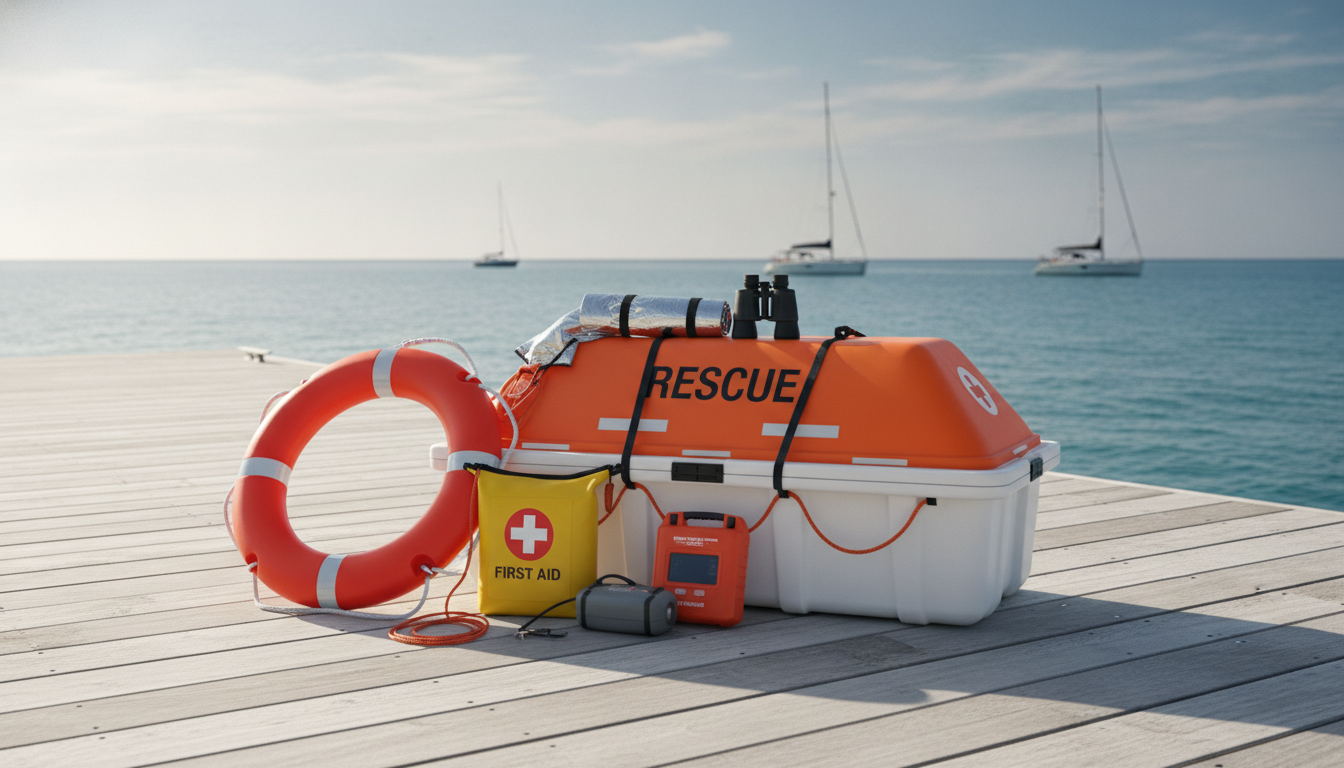
Table of Contents
- Importance of Marine Safety Equipment
- Types of Marine Safety Equipment
- Regulatory Compliance
- Best Practices for Using Safety Equipment
- Case Studies and Examples
- Frequently Asked Questions
Importance of Marine Safety Equipment
Protection of Crew and Vessel
The primary importance of marine safety equipment lies in the protection it provides to both the crew and the vessel. Fishing vessels are often subjected to harsh weather conditions, which can lead to accidents. Life jackets, for instance, are crucial for preventing drowning. A study conducted by the U.S. Coast Guard shows that wearing a life jacket increases the chances of survival in the event of falls overboard.
Moreover, having safety equipment such as emergency beacon devices allows crews to signal for help during emergencies. These devices can be lifelines to survival in the unpredictable marine environment, making it imperative to ensure they are functional and easily accessible onboard.
Furthermore, the installation of equipment like fire extinguishers helps in preventing minor fires from escalating. Fishing vessels often carry flammable materials including fuel, which makes having a fire safety plan alongside the right equipment vital.
Legal and Insurance Considerations
Beyond personal safety, marine safety equipment meets legal obligations set by maritime authorities. Many countries require fishing vessels to comply with specific safety regulations to operate legally. Non-compliance can lead to hefty fines, vessel confiscation, or worse, jeopardizing the crew’s well-being.
Insurance policies often require proof of safety equipment on board. A well-equipped vessel could lower insurance premiums and ensure better coverage. Conversely, inadequate safety provisions can lead to claims denials in the event of accidents, emphasizing the need for responsible vessel operation.
Therefore, investing in the right marine safety equipment is not just a moral obligation—it’s a legally mandated step that shields vessel owners from liability and ensures their crew’s safety.
Types of Marine Safety Equipment
Personal Safety Gear
Personal safety gear is the first line of defense for anyone on board a fishing vessel. Life jackets and personal flotation devices (PFDs) are essential, and every individual on the vessel should have one readily available. These devices come in various types, including inflatable options that provide comfort without sacrificing safety.
In addition to life jackets, crews should be equipped with safety whistles and sound-signaling devices, which can alert others in distress. Another critical piece of personal safety gear is an immersion suit, which protects individuals in cold water scenarios, significantly reducing the risk of hypothermia.
Training is also critical; ensuring that all crew members know how to properly wear and use personal safety gear enhances its effectiveness. Regular training drills focusing on the use of this equipment can be lifesaving during actual emergencies.
Emergency Equipment
Equipping fishing vessels with emergency equipment is equally important. Lifeboats and life rafts must be accessible and in good condition, ready for emergency evacuations. These should be regularly inspected and serviced to ensure functionality when most needed.
Another indispensable item is a first-aid kit, stocked with essential supplies to treat minor injuries. It can be the difference between a small mishap and a significant medical emergency at sea.
Additionally, the presence of fire extinguishers is crucial, especially given the highly combustible nature of many materials onboard. Fires can spread rapidly, and a quick response with proper firefighting equipment can contain or eliminate the threat entirely.
Regulatory Compliance
International and National Regulations
Fishing vessels are subject to various international and national regulations aimed at ensuring safety at sea. For example, the International Maritime Organization (IMO) and the United States Coast Guard have laid down comprehensive safety regulations that encompass required equipment and training to operate vessels legally.
Each region may have additional regulations based on local waters. It’s crucial for vessel owners to stay updated on these requirements to avoid legal troubles. This knowledge not only helps keep the crew safe but also maintains operational integrity.
Non-compliance with safety regulations can result in penalties, including suspensions or cancellations of fishing licenses. Vessels failing to meet safety requirements may face inspection challenges and potential shutdowns during compliance audits.
Safety Equipment Inspection and Maintenance
Regular inspection and maintenance are integral to compliance with safety regulations. Properly functioning safety equipment is not just a recommendation; it is required by law. Owners should implement routine checks to ensure that life jackets, fire extinguishers, and emergency signaling devices comply with requisite standards.
Documenting these inspections is essential for compliance and can serve as proof during regulatory audits. Vessel operators must maintain records that show all required equipment is serviced on time, tested, and ready for use whenever needed.
Additionally, training sessions focused on maintenance procedures can empower crew members to recognize when equipment may no longer be safe to use, thus preventing disastrous situations.
Best Practices for Using Safety Equipment
Regular Training and Drills
Regular training and safety drills are essential for ensuring all crew members are familiar with safety equipment onboard. These drills can reinforce the importance of safety gear and ensure that each individual knows how to use the equipment during emergencies.
Simulating real-life scenarios can help the crew practice evacuation procedures effectively. Hands-on training enables crew members to act swiftly and calmly in actual emergencies, minimizing panic and confusion
Establishing a routine schedule for drills can also enhance team cohesion and create a culture of safety on the vessel, which is crucial for maintaining morale and readiness.
Continuous Evaluation and Feedback
It’s critical for vessel operators to continuously evaluate the effectiveness of their safety protocols. Gathering feedback from crew members after drills can reveal areas for improvement or resources that may be lacking. This practice fosters an environment of open communication and encourages safety-conscious behavior.
Additionally, adapting training based on the feedback received ensures that safety protocols evolve alongside new technologies and safety equipment advancements.
Continuous evaluation will enhance knowledge retention among crew members, as repeated exposure to safety measures reinforces their importance in real-world situations. It is this rigorous attention to safety that can ultimately safeguard lives at sea.
Case Studies and Examples
Successful Safety Implementations
Several fishing fleets worldwide illustrate the successful implementation of marine safety equipment. For instance, a fleet operating in Alaskan waters was able to reduce accidents by 40% after upgrading their safety equipment, which included the installation of advanced emergency beacons and tracking technologies.
The crew underwent specialized training focused on safety awareness and emergency responses, resulting in a safer work environment and better morale among crew members. Their proactive approach showcases the profound impact that adequate safety measures can have.
Additionally, a fishing vessel in the Atlantic prevented a lot of potential accidents through rigorous maintenance of its firefighting equipment. They performed routine checks and documented all maintenance work, which led other vessels to adopt similar measures, translating into a significant drop in fire incidents.
Lessons Learned from Safety Failures
Unfortunately, there are numerous cases where lack of adequate marine safety equipment has led to tragic accidents. One notable instance involved a fishing vessel that capsized due to its crew failing to wear life jackets. The absence of emergency signaling beacons delayed rescue efforts, resulting in loss of life.
Such incidents underscore the necessity of understanding the importance of marine safety equipment. By learning from these events, the fishing industry can push for better safety regulations and practices, preventing further tragedies.
These lessons also highlight a cultural shift within the fishing community, emphasizing the need for proper equipment and continuous training to prevent future accidents.
Frequently Asked Questions
What is marine safety equipment?
Marine safety equipment refers to a range of devices and gear designed to ensure the safety of individuals on board vessels and mitigate risks associated with marine activities. This includes life jackets, emergency beacons, firefighting equipment, and first-aid kits, among others.
Why is marine safety equipment important for fishing vessels?
Marine safety equipment is vital for fishing vessels to protect the crew and ensure compliance with regulatory standards. The unpredictable nature of the sea can lead to emergencies, and having the proper equipment can significantly save lives and increase operational safety.
How often should safety equipment be inspected?
Safety equipment should ideally be inspected regularly, with a thorough check before each fishing season and frequent interim assessments to ensure all items are functional and compliant with safety regulations.
What are the best practices for training crew members on safety equipment?
Best practices for training include conducting regular drills, providing hands-on demonstrations, and gathering feedback from crew members to enhance training quality and ensure everyone is familiar with safety protocols and equipment use.
Conclusion
In conclusion, marine safety equipment is not just a regulatory requirement—it’s a crucial component of the overall safety culture on fishing vessels. With the potential dangers posed by the sea, equipping vessels with the right gear, adhering to regulations, and promoting a proactive safety attitude are paramount. Through continuous training, regular evaluations, and learning from past mistakes, the fishing industry can prioritize safety, ensuring that both crew and vessels are protected from unforeseen risks in the vast ocean.