Why Regular Detailing is Crucial for Your Boat
Owning a boat can be one of the most fulfilling experiences, offering unparalleled moments of leisure and adventure on the water. However, like any valuable asset, a boat requires diligent care and maintenance to ensure its longevity and optimal performance. Regular detailing stands out as one of the most essential practices in boat maintenance. Proper marine detailing not only enhances the aesthetic appeal of a vessel but also plays a pivotal role in protecting its various surfaces from damaging elements. In this article, we will explore the myriad reasons why regular detailing is crucial for your boat, providing you with in-depth insights and practical tips.
Understanding Marine Detailing
What is Marine Detailing?
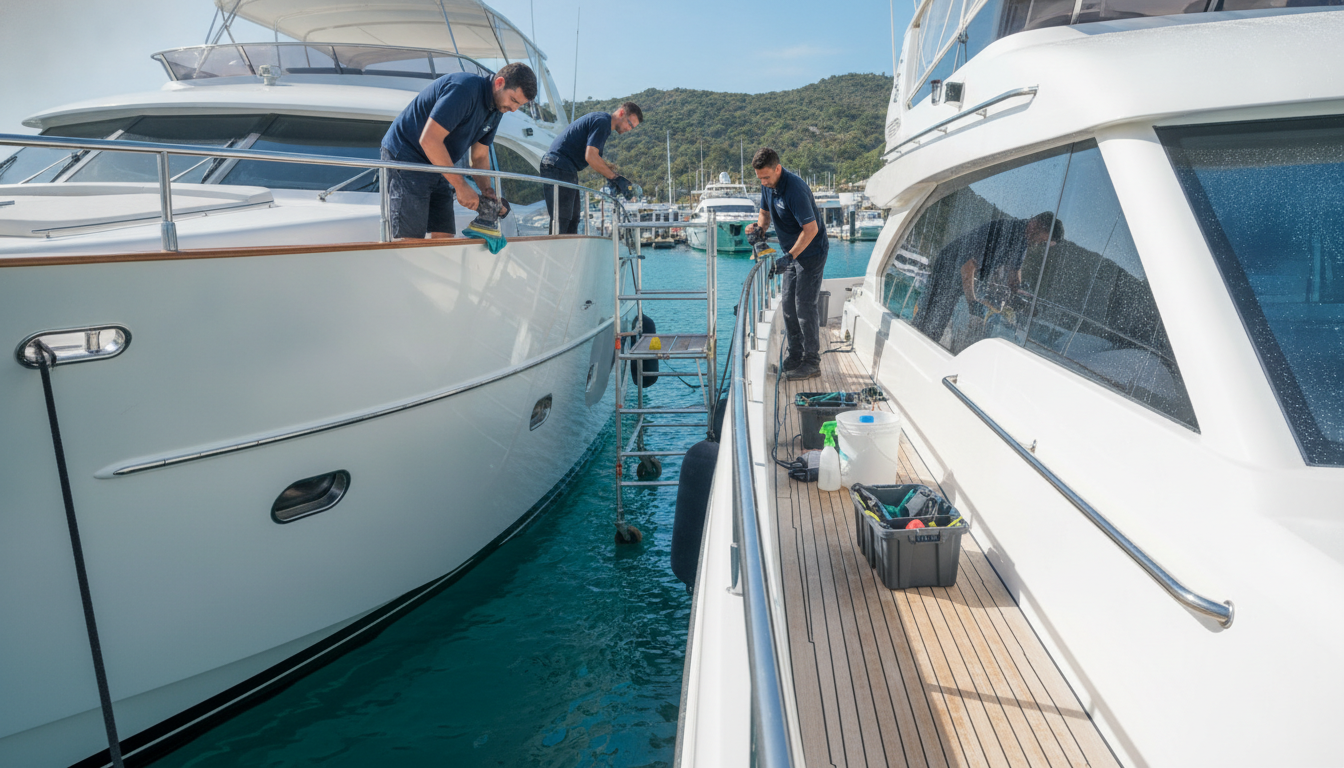
Marine detailing refers to the comprehensive cleaning, restoration, and protection of a boat’s surfaces, both interior and exterior. This goes beyond a simple wash; it encompasses meticulous techniques tailored to handle the unique materials and environments that boats are exposed to. Detailing protocols can include waxing, buffing, polishing, and using specialized marine cleaners designed to protect gel coats, fabrics, and metals from the harsh marine environment.
To truly appreciate the value of marine detailing, one must understand the typical wear and tear boats are subjected to when navigating through various water conditions. Saltwater, UV rays, algae growth, and barnacles are just a few factors that can significantly diminish your boat’s condition without regular upkeep. By dedicating time and resources to detailing your boat, you invest in preserving its beauty and value.
Ultimately, marine detailing can extend the life of your boat and provide you with a safer, more pleasant experience on the water. When you maintain your boat effectively, it not only looks stunning but also operates more efficiently, which can be a game-changer for any boating enthusiast.
The Key Components of Effective Detailing
Effective marine detailing comprises various tasks that, when performed regularly, can safeguard and enhance your vessel. One of the primary aspects is the cleaning of surfaces. This includes thoroughly washing the hull, deck, and other surfaces to remove dirt, grime, and marine growth. High-quality boat soaps and dedicated cleaning tools are vital to ensure that residues do not scratch or damage the surfaces.
Another key component is the protection of the boat’s surfaces. After cleaning, applying a protective wax or sealant is essential. These products help repel water and UV rays, critical in preventing the fading of colors and degrading of materials. For instance, a well-applied wax can create a barrier that makes it difficult for stains and dirt to stick, making subsequent cleaning processes much simpler.
The attention to detail shouldn’t stop at the exterior. Interior detailing is equally important. Regular vacuuming, shampooing fabrics, and conditioning leather can significantly improve your comfort and the overall aesthetic of your vessel. Maintaining clean interiors also prevents mold and mildew, common issues in marine environments.
Benefits of Regular Detailing
Preservation of Value
One of the most compelling reasons to detail your boat regularly is the preservation of its value. Whether you plan to keep your boat for years or anticipate selling it in the future, a well-maintained vessel retains a higher resale value. Potential buyers are often drawn to boats that exhibit minimal signs of wear and have been cared for consistently over time.
For instance, a boat that has received regular detailing will show fewer scratches, stains, and signs of oxidation, reflecting a responsible ownership. Just as a car with a pristine exterior can command a higher price, a boat that looks and feels well-kept will attract buyers willing to pay a premium.
The financial aspect is particularly crucial for new boat owners who see their investment rapidly depreciate. Regular detailing acts as a protective measure against this depreciation, helping reinforce the long-term value of your recreational investment.
Safety and Performance Enhancement
Another essential benefit of regular detailing is improved safety and performance. Over time, the accumulation of grime and other deposits can affect critical parts of a boat, such as the hull and engine. A thorough cleaning can prevent these build-ups, ensuring that components are functioning at their best.
For example, maintaining a clean hull can enhance the boat’s performance by reducing drag, which ultimately improves fuel efficiency. A boat that’s free from algae and barnacles will glide more easily through the water, wasting less energy and leading to reduced operational costs during use.
Moreover, regular inspection during detailing processes can uncover potential issues before they escalate into more significant problems. Suppressing mold and algae growth and ensuring that cords, lines, and fabrics are in good condition can help avoid emergencies on the water.
Routine Maintenance Tips for Boat Detailing
Establish a Detailing Schedule
Adhering to a detailing schedule can streamline the upkeep of your vessel. Many boat owners find it beneficial to plan detailing tasks based on their usage patterns. For instance, if you frequently use your boat in saltwater environments, you may want to schedule thorough cleanings after each excursion. On the other hand, if you’re less active in the boating season, a monthly or bi-monthly schedule may suffice.
Incorporating seasonal detailing is also advisable, where you perform deeper cleanings and thorough inspections before storing or closing your boat for the season. Regular assessments and cleaning can unclog valves, maintain engine efficiency, and reduce overall wear and tear.
When establishing your detailing schedule, consider involving professional services for the more intensive tasks. Often, professionals bring expertise and tools that can accomplish detailing more effectively than DIY approaches, ensuring top-notch results.
Use Quality Products
The quality of your cleaning products can significantly influence your detailing outcomes. It’s crucial to select marine-specific cleaners and protectants, as these are designed to cater to the unique requirements of boats. For instance, specific waxes can offer UV protection, while certain cleaners can break down marine algae more effectively than general-purpose products.
Furthermore, investing in quality microfiber cloths and sponges can prevent scratching surfaces during cleaning. Quality products tend to last longer and can ultimately save you money by reducing the frequency of repairs or replacement costs.
Always follow the manufacturer’s guidelines for cleaning and maintenance on your boat. This way, you can ensure that you are using compatible products with your specific vessel materials.
Common Detailing Mistakes to Avoid
Neglecting the Interior
A common pitfall for many boat owners is neglecting the interior while focusing solely on the exterior. The interior of your boat is just as vulnerable to damage as the exterior. Failing to clean the insides can lead to mold development and unpleasant odors.
Scheduling regular vacuuming, cleaning countertops, and washing fabric covers can enhance not just aesthetics but also safety onboard. Mold growth can pose serious health risks, especially in confined spaces like a cabin.
To ensure thorough cleaning, tackle different sections one at a time. Use appropriate products for different surfaces, and always ventilate the space during cleaning to avoid accumulation of harmful fumes.
Inconsistent Wash Routines
Inconsistency in wash routines can lead to larger problems down the line. Some boat owners may wash their boats after outings but skip them for weeks or months. This inconsistency can leave surfaces with built-up dirt, which becomes increasingly difficult to remove.
Regular applications of protective wax or sealants are equally important as the cleaning itself. Without these, surfaces may start to oxidize, especially in regions with intense sunshine or saline water. Consistency creates a barrier against Mother Nature’s wear, making maintenance easier in the long run.
Design a checklist that you can follow post-boating or during regular detailing sessions to ensure no step is overlooked. Consider documenting your maintenance activities as it can provide insights into what works best for your boat.
The Environmental Impact of Detailing
Using Eco-Friendly Products
Environmental consciousness is taking center stage in many industries, including boating. When detailing your boat, consider using eco-friendly products that minimize environmental impacts. Many manufacturers now offer biodegradable soaps and cleaners that effectively eliminate grime without harming marine life.
By choosing environmentally safe products, you not only protect local ecosystems but also reduce harmful runoff during washing. This approach is not just a moral obligation; it reflects a positive attitude towards responsible boating and environmental stewardship.
Think about how small changes in product choices can have significant repercussions on the ecosystem. Opting for eco-friendly products can contribute to a larger movement of sustainable boating practices.
Minimizing Water Usage
Another environmental consideration in marine detailing is the efficient use of water. Traditional boat washing practices can consume large amounts of water, impacting local resources. Here are some suggestions to minimize water use: perform rinsing with a spray nozzle, limit the frequency of washes, and depict waterless cleaning products as alternatives.
Implementing these practices not only saves water but also may reduce your water bills and keep marine environments clean. Tools like pressure washers can help you use less water while enhancing the cleaning process.
Ultimately, embracing sustainable practices during boat detailing reflects a commitment to protecting our waterways and ensuring that future generations enjoy the same opportunities for enjoyment.
Conclusion
Regular marine detailing is not merely an aesthetic obligation; it is a vital investment in your boat’s longevity and performance. By understanding the core components of marine detailing and embracing a routine that prioritizes both the interior and exterior, boat owners can enjoy a beautiful, well-functioning vessel while also preserving its value. Remember to utilize quality products, establish a thorough schedule, and consider the overarching impact of your maintenance practices on the environment. With these practices in place, you can be sure that your time on the water is not only enjoyable but sustainable.
FAQ
How often should I detail my boat?
The frequency of boat detailing can depend on usage and environmental conditions. For heavy users often in saltwater, a post-usage wash may be ideal, with deeper detailing monthly. If you use your boat less frequently, quarterly detailing may suffice.
Can I detail my boat myself, or should I hire a professional?
Both options are viable. DIY detailing can be fulfilling and cost-effective. However, for more intensive detailing, like polishing or extensive interior cleaning, hiring professionals is recommended to ensure proper handling of materials and effective techniques.